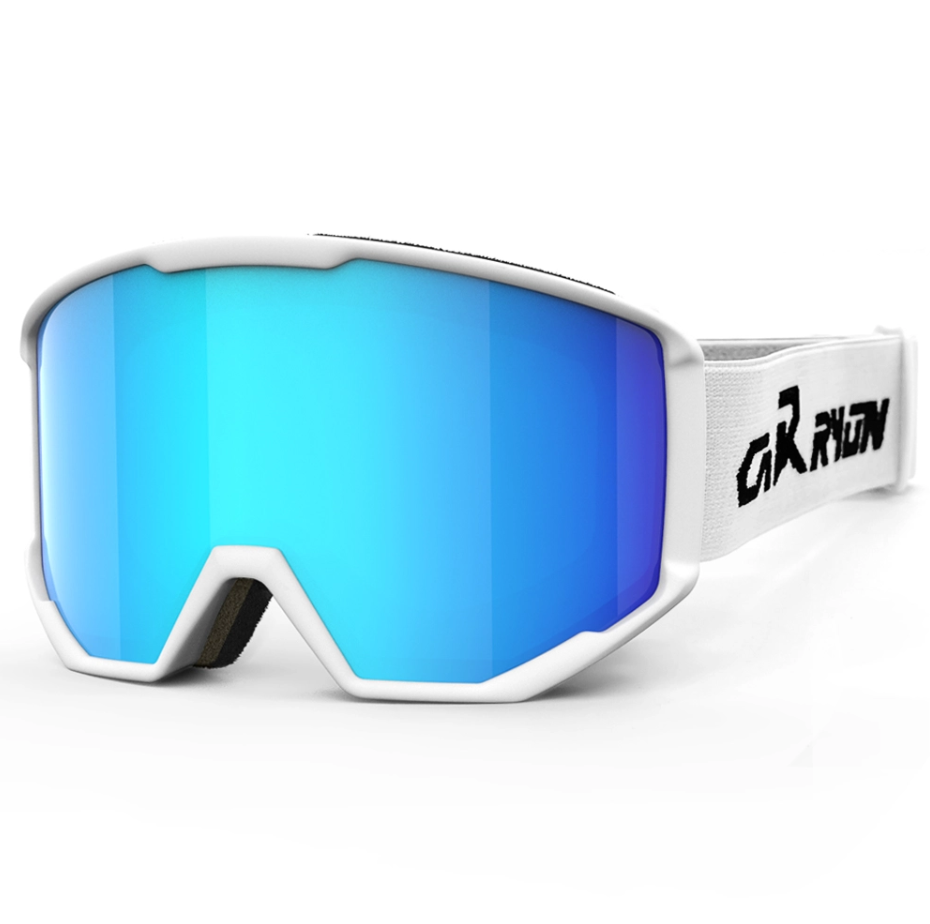
Protective eyewear buyers need more than an attractive catalog. They must check whether a factory can produce suitable eyewear, explain its testing procedures, and deliver consistent orders. This matters for sports and group activities.
Choosing a supplier for wholesale safety glasses begins with defining the intended use. Wind protection for cycling differs from impact protection required in certain workplaces. Separate these needs before comparing samples.
Product Use Comes Before Supplier Selection
Protective eyewear covers several product categories, but their performance requirements are not interchangeable. Cycling glasses often focus on wind exposure, sunlight, fit, and visual comfort. Ski goggles must also address fogging during cold-weather activity. Tactical goggles may need additional attention to dust exposure and impact resistance.
Buyers should describe their users, expected conditions, and the hazards they want the eyewear to address. This helps factories recommend suitable designs.
For workplace safety applications, procurement teams should identify the applicable protection standard before requesting quotations. A product described as protective eyewear does not automatically satisfy a particular industrial impact rating.
How Should Buyers Evaluate Lens Performance?
Lens clarity deserves careful inspection because optical distortion can affect comfort and visibility. Buyers can compare samples under different lighting conditions and ask which lens transmission tests the factory performs. Document test methods and acceptance criteria.
UV400 and polarized lenses address different concerns. UV400 refers to ultraviolet filtering up to 400 nanometers, while polarization reduces certain reflected glare. Buyers should confirm which functions are supplied on each model rather than assuming every lens includes both.
Anti-fog performance also needs a defined test method. Dual-layer lenses can be useful in ski goggles, but temperature changes, humidity, and ventilation affect real use. Sample evaluation should reflect the intended environment instead of relying on a general anti-fog claim.
Manufacturing Equipment and Quality Checks
A Protective Goggles Manufacturer should be able to explain how products move from design approval to production inspection. Relevant questions include how molds are developed, what changes require new samples, and which checks are performed before shipment.
Factories with injection molding capacity may have greater control over frame production and tooling adjustments. Machine quantity alone cannot prove quality. Buyers should ask about incoming materials, assembly inspection, lens testing, and traceability of identified defects.
Inspection equipment can support technical discussions. Light-transmission instruments, impact-test equipment, anti-fog testers, and tensile testing machines each examine different characteristics. Procurement teams should request the test procedure and applicable pass criteria instead of relying on a list of machines.
Customization Should Follow a Defined Approval Process
Private-label orders often involve more than adding a logo. Buyers may specify frame colors, packaging, lens options, or design changes. Each choice can affect sample approval, production quantities, and delivery plans.
For wholesale safety glasses, the quotation should distinguish stock products from custom-color production. Minimum order quantities are particularly useful when a distributor is testing a new market or offering several designs in limited volumes.
Written approval records help both parties. Purchasing teams should confirm sample versions, approved colors, artwork placement, packaging details, and inspection expectations before production starts. This simplifies comparisons with later shipments.
Product Examples Should Match the Market
Winter-sports buyers may consider models YH879C and YH682, which are ski goggles intended for skiing or snowmobile activities and support wearing prescription glasses underneath through an over-the-glasses design. Buyers should check actual prescription-glasses fit.
Cycling models JN007 and YL728 serve outdoor riding applications. Procurement teams can assess lens clarity, sunlight protection options, and how the frames fit different riders. These checks matter to clubs and retailers.
When reviewing models offered by a Protective Goggles Manufacturer, buyers can consider RK16 for activities involving wind, sand, and dust. Its intended use should not be confused with a verified ballistic or industrial safety classification. Claims about impact protection should be tied to model-specific test evidence.
Delivery Commitments Need Supporting Details
Delivery schedules should distinguish sample preparation from mass production. YIJIA Optical reports a sample dispatch period of around seven days and mass-production completion of approximately 25–30 days. Buyers should confirm when each period begins and whether customization changes the schedule.
The company reports a 16,000-square-meter workshop, 18 injection molding machines, and 20 years of manufacturing experience. They also provide OEM and ODM development from concept and 3D design through tooling, samples, and finished products. These capabilities matter when projects require design changes rather than simple stock purchases.
They state that their QC team checks goods before shipment against customer requirements and relevant North American or European standards. Buyers should request the exact standard, supporting reports, and scope of claimed certifications for the product being ordered.
Make the Final Supplier Comparison Practical
Before choosing a Protective Goggles Manufacturer, buyers should compare sample quality, documented tests, customization limits, minimum quantities, and delivery terms. Price is meaningful only when offers refer to comparable products and inspection requirements.
YIJIA Optical states that stock orders can start at 50 pieces, while custom-color orders generally require 200–300 pieces. They offer one-to-one communication for project details. Buyers should confirm the final quantity and specification in a written quotation.
Sound sourcing matches product functions to real use and checks supporting evidence. Clear specifications, approved samples, and agreed inspection criteria give procurement teams a practical basis for repeat orders.
