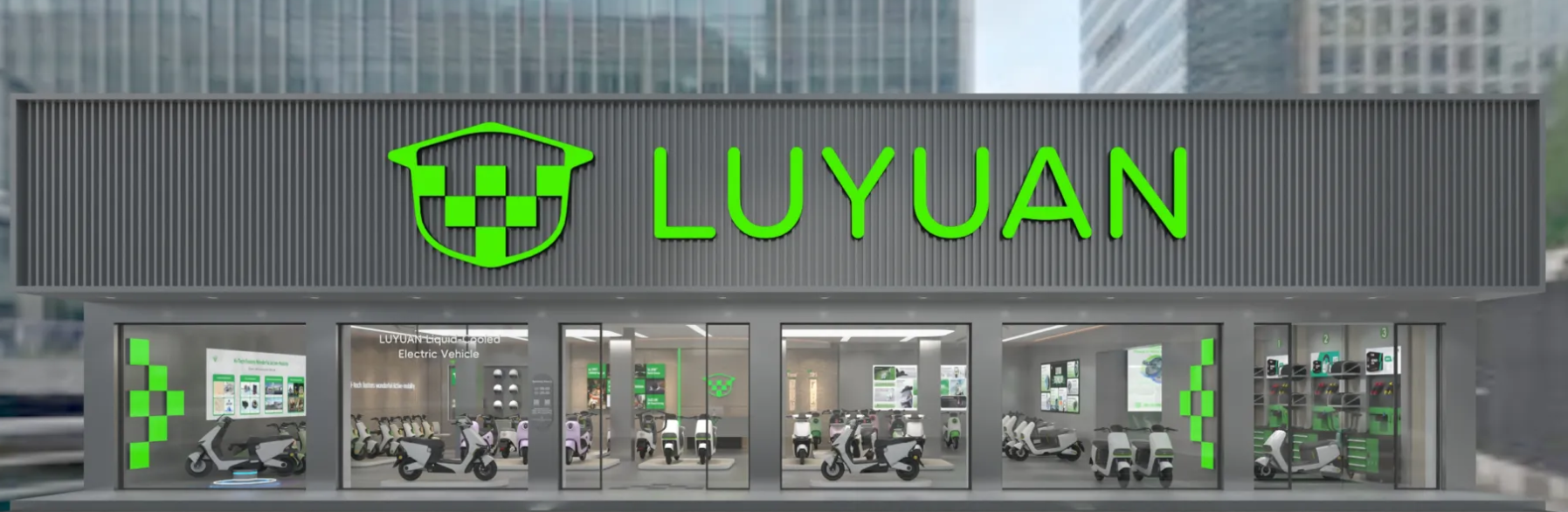
An electric two-wheeler business can look promising on paper, yet long-term profitability depends on far more than initial demand. Local travel habits, purchasing power, after-sales capacity, and inventory turnover all influence whether a new electric scooter dealership can develop a stable customer base.
A practical plan starts with understanding what riders need in a specific market, then matching those expectations with suitable products and dependable commercial support. LUYUAN works with business partners in the electric two-wheeler sector, making the relationship between product selection, distribution planning, and ongoing service an important consideration for prospective dealers.
Assessing Local Demand Before Selecting Products
Market research should begin with the way people actually travel. In a dense urban area, customers may value compact dimensions, convenient parking, and manageable charging requirements. Suburban commuters could prioritize battery range and ride comfort, while delivery operators may pay closer attention to daily operating costs and vehicle durability. A potential electric scooter dealership benefits from segmenting these customer groups before committing to a broad inventory, since a product range built around local use cases is more likely to generate consistent sales.
Price sensitivity also deserves close attention. Average income, access to financing, electricity costs, road conditions, and local vehicle regulations can all affect purchase decisions. Interviews with repair shops, small fleet operators, and existing riders may reveal practical concerns that online market reports overlook. Seasonal patterns matter as well: demand can fluctuate with weather, tourism, school schedules, and local commuting routines. These findings help dealers estimate realistic sales volumes instead of relying on optimistic market forecasts.
Competitor analysis should extend beyond advertised prices. Warranty terms, spare-parts availability, delivery lead times, service coverage, and customer reviews can reveal gaps that a new business might address. If existing retailers offer similar vehicles but provide slow repairs or limited technical guidance, responsive after-sales service could become a meaningful differentiator. A clear picture of customer expectations and competing offers gives the business a stronger basis for deciding which categories deserve shelf space and which are better introduced later.
Building a Product Mix Around Real Use Cases
A balanced assortment usually serves several distinct needs without spreading capital across too many variations. Commuter-focused models may form the core range, while higher-performance options or utility-oriented vehicles can serve narrower segments where demand has been verified. Battery configuration, motor output, range claims, charging time, braking systems, and suspension should be compared against the local riding environment. An electric scooter dealership that evaluates these factors systematically can explain meaningful differences to customers rather than relying on appearance or headline specifications alone.
Stock planning requires the same discipline. Carrying every color, battery option, and model variant can tie up cash in slow-moving inventory, particularly during the early months of operation. A more cautious approach is to begin with a smaller selection, track inquiries and conversion rates, and expand only when sales data supports the decision. Dealers should also account for spare batteries, consumable parts, and common replacement components, where permitted and appropriate, because product availability affects both service speed and customer confidence.
Supplier discussions can clarify how flexible the assortment will be over time. Prospective electric scooter suppliers should be assessed on their product range, minimum order quantities, sample availability, customization options, production capacity, and ability to communicate specification changes. Written confirmation of product configurations is especially important when model names cover multiple versions. Clear documentation helps prevent discrepancies between advertised specifications, delivered units, and the expectations set with end customers.
Evaluating Supplier Support and Partnership Terms
A commercial relationship should be judged by what happens after the first shipment, not simply by the initial quotation. Reliable electric scooter suppliers can provide consistent product documentation, realistic production schedules, parts availability, and clear procedures for handling defects or warranty claims. Dealers should ask how technical questions are escalated, which components can be ordered separately, and whether service staff can access training materials. These details affect repair turnaround, customer satisfaction, and the amount of working capital required to keep daily operations running.
Partnership structures also deserve careful review. Some arrangements focus on product purchasing, while others may involve brand use, OEM or ODM cooperation, showroom requirements, or broader distribution responsibilities. LUYUAN’s official partnership information describes different cooperation models, with requirements that vary by arrangement.
Its dealer support policy also outlines certification assistance, marketing resources, channel support, training, after-sales service, and localization support. Prospective partners should confirm which benefits apply to their territory and agreement rather than assuming every program includes identical terms.
Conclusion
A viable dealership grows from informed decisions rather than a large opening order. Local demand research helps define the right assortment, disciplined stock management protects cash flow, and dependable technical and commercial support makes it easier to retain customers after the sale. Before committing funds, each electric scooter dealership should compare supplier terms, validate product suitability, and establish a realistic service plan.
LUYUAN offers prospective partners several cooperation options and support resources to explore, while the long-term outcome will depend on local execution, market fit, and the clarity of the agreed partnership. A careful assessment of electric scooter suppliers can turn an initial distribution opportunity into a more resilient business.
