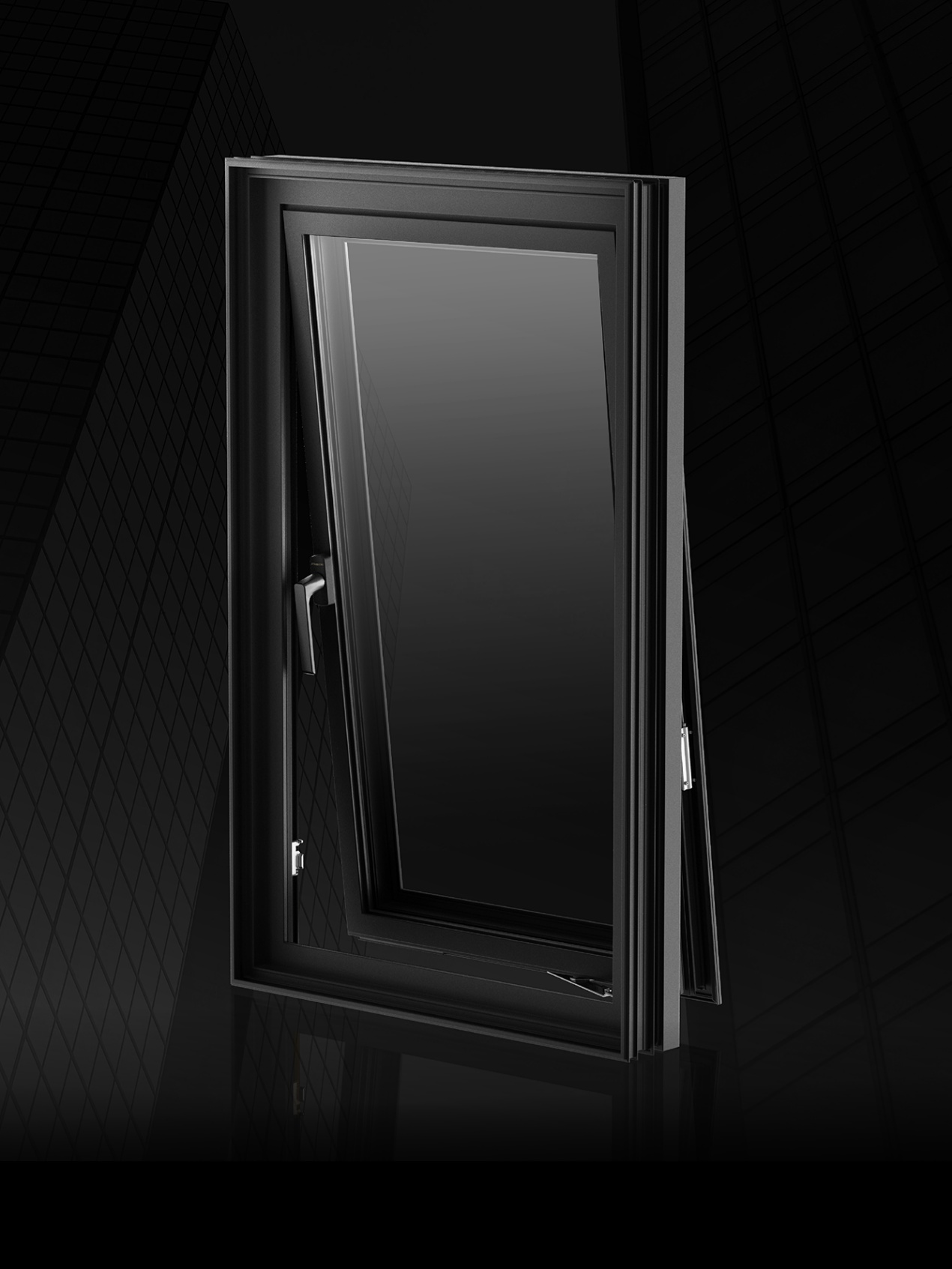
Modern residential architecture increasingly emphasizes natural ventilation, unobstructed exterior views, and clean, contemporary aesthetics. Among the various fenestration configurations available to homeowners, outward-opening designs have become exceptionally popular for contemporary houses and apartments. When property owners look to upgrade their living spaces, selecting the right window configuration is vital for long-term comfort, energy efficiency, and structural integrity. A well-designed top-hung window system can provide ventilation while helping limit rain entry, depending on the window design and weather conditions.
Whether planning a renovation or installing a new top hung outward opening window, homeowners must carefully evaluate environmental factors. Because these sashes push outward against exterior elements, they face unique challenges. Wind pressures, gravity loads, and daily mechanical wear place immense demands on support structures, making informed hardware selection essential for lasting performance.
Structural Safety and Wind Resistance Demands
The primary function of any exterior window is to create a secure barrier against external weather conditions while maintaining interior comfort. For an outward-opening system, wind resistance is perhaps the most critical performance metric. When strong gales sweep across a building facade, they create negative pressure zones that attempt to pull the window sash outward, or positive pressure that pushes it inward. Without robust load-bearing components, sashes can suffer from structural distortion, fastener loosening, or sudden, dangerous slamming.
A properly engineered top hung outward openingwindow relies on specialized hinge structures and restricting stays to anchor the movable sash securely to the outer frame. These components must withstand intense wind loads without compromising operational smoothness. In high-rise residential buildings or coastal locations exposed to severe weather, wind forces can easily reach destructive levels. Therefore, hardware systems must incorporate reinforced locking points and high-strength stainless steel components to ensure that the sash remains firmly closed and sealed against driving rain, heavy gales, and shifting atmospheric pressures.
Core Hardware Requirements for a Modern Top Hung Window
Achieving long-term durability and safety requires a careful combination of mechanical parts working in seamless coordination. Whether discussing a standard residential casement or a specialized top hung window, the overall hardware solution must address several key structural vulnerabilities inherent to outward-swinging sashes.
First, sash sag is a common issue over years of repeated operation. As gravity pulls down on the cantilevered weight of the open glass panel, inferior hinges can wear out, causing misalignment and air leakage. Advanced systems utilize dedicated anti-drop mechanisms and dual-suspension support structures that distribute weight evenly across the upper frame. To reduce sash sag, the hinge and load-bearing components should be selected according to the sash dimensions, weight, and applicable hardware specifications.
Second, accidental slamming during sudden wind gusts poses a serious hazard to both the glass and the occupants. High-quality lower hinges often incorporate gear mechanisms or friction-based wind-resistant stops secured by multiple screws. These features restrict uncontrolled movement, ensuring the sash holds its position securely at various opening angles. A compatible locking system can improve contact between the sash and frame gaskets, supporting air and water tightness when correctly specified and installed.
Engineering Excellence and Industry Leadership
When evaluating hardware options for residential projects, homeowners and builders increasingly look to established industry leaders known for rigorous manufacturing standards and precision craftsmanship. Operating since the 1990s, CMECH has built a strong reputation in the global architectural hardware sector by focusing on innovative design, functional reliability, and user-centric engineering.
The brand’s extensive portfolio includes specialized hardware solutions tailored for modern residential architecture. For instance, the Outswing Casement & Awning Window Hardware Solution is engineered to meet demanding structural specifications. It features precision-cast components made from high-grade zinc alloy and premium 304 stainless steel, ensuring exceptional corrosion resistance and mechanical strength. Within this solution, various product lines—such as the Master Series and Classic Series—provide architects and individual consumers with flexible choices that match specific aesthetic preferences and functional requirements.
Through continuous research and development, CMECH integrates advanced safety features such as anti-misoperation modules, which utilize built-in U-shaped flat springs to deliver strong rebound force and prevent lever jamming. This meticulous attention to detail ensures that daily operation remains smooth, effortless, and entirely secure for every family member.
Enhancing Residential Comfort and Maintenance Ease
Beyond raw strength and wind resistance, modern window hardware must offer everyday convenience and easy maintenance. Traditional window designs often prove difficult to clean or adjust once installed in multi-story residences. Contemporary engineering addresses this by incorporating features like 3D indoor adjustments, which allow technicians or homeowners to fine-tune sash alignment easily from inside the building without risking safety.
If a project includes an integrated fly screen, its mounting arrangement and clearance should be checked separately to confirm compatibility with the selected window hardware. By prioritizing both high structural performance and user-friendly maintenance, premium hardware systems protect the building envelope while elevating the day-to-day living experience. Well-engineered outswing and top-hung, outward-opening window configurations should be selected according to the applicable hardware specifications, installation requirements, and expected operating conditions.
