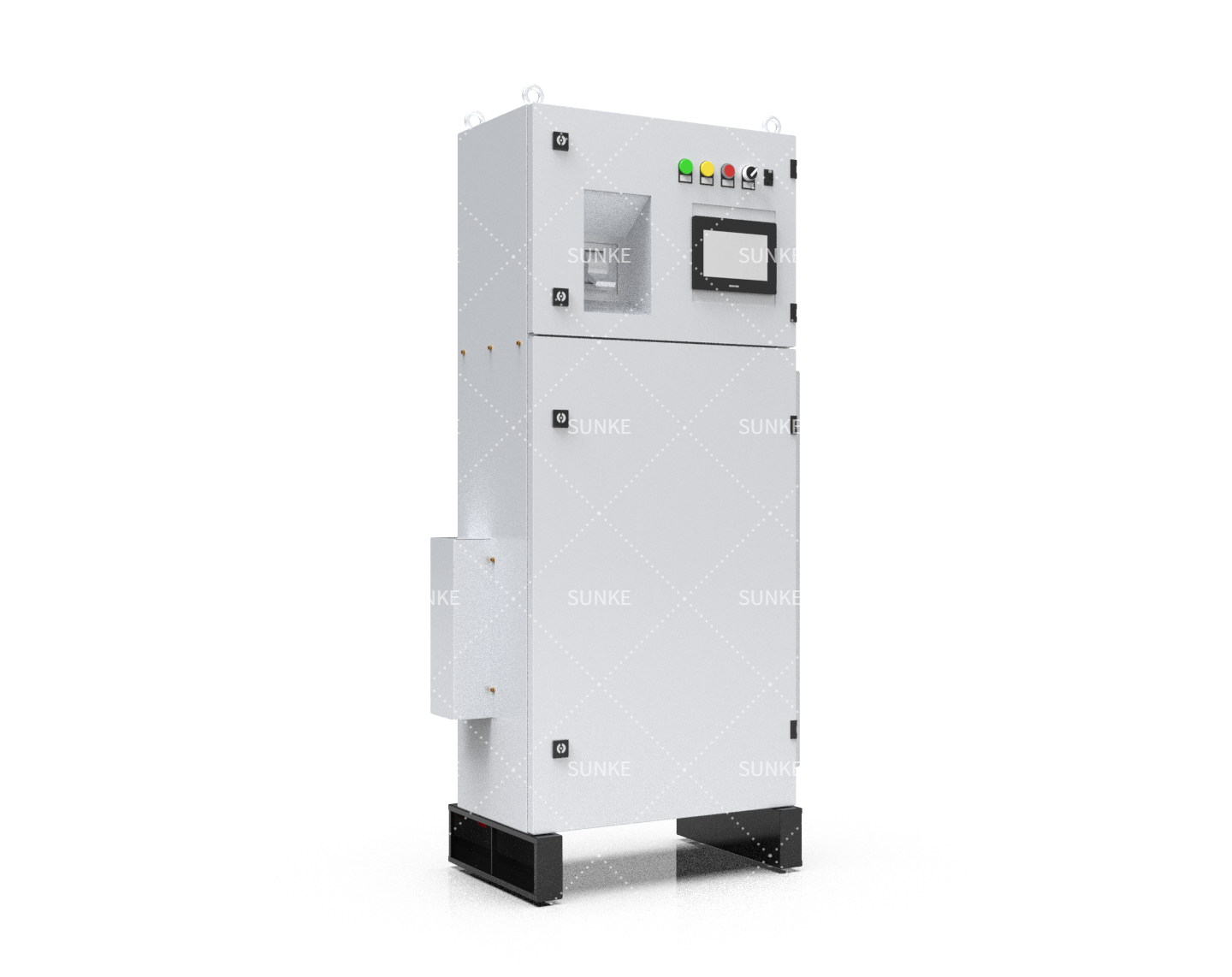
The classic low-frequency equipment that is used in high-volume production facilities usually presents challenges because it does not possess the dynamic flexibility that is necessary for the creation of current multi-layer metal.
Achieving absolute joint integrity across complex automotive assemblies or sensitive battery tabs demands high-speed current regulation and precise thermal control. A modern inverter-based welding power supply transforms conventional line power into high-frequency energy, completely reshaping how factory floors manage thermal output.
Evaluating these technical advancements reveals why advanced production facilities are rapidly transitioning away from legacy transformers to secure superior joint repeatability, enhanced energy savings, and optimal operational efficiency.
High-Speed Response and Microsecond Control Precision
Conventional power units operate at standard line frequencies, restricting adjustment intervals to several milliseconds and missing critical micro-defects during rapid nugget formation.
In contrast, advanced inverter technology features high-speed switching components utilizing insulated-gate bipolar transistors that regulate output current within microsecond intervals.
This rapid responsiveness allows a sophisticated resistance welding controller to dynamically adjust thermal parameters during a single pulse. Microsecond regulation prevents metal expulsion and ensures uniform nugget growth across challenging high-alloy steel and aluminum components without structural degradation.
Real-time feedback loops monitor secondary voltage and current variations instantaneously at the workpiece interface during every single operational cycle. When minor surface oxidation or thickness fluctuations occur, the internal control system compensates immediately to stabilize the thermal profile.
Such granular precision eliminates subsurface voids and prevents structural weaknesses in critical safety components across high-speed automotive lines. Real-time monitoring and precise current control can improve process consistency and help identify welding deviations, while appropriate weld quality inspections and validation procedures remain essential.
Exceptional Energy Efficiency and Grid Load Reduction
Energy consumption represents a major operational expense for heavy industrial fabrication plants operating round-the-clock manufacturing schedules and demanding multi-shift cycles. Traditional power architectures suffer from high electrical losses and poor power factors, drawing excessive continuous current from facility distribution grids.
Modern inverter systems optimize energy conversion through advanced semiconductor design, dramatically shrinking primary line draw during heavy production runs. Reduced electrical demand translates directly into lower facility utility bills and minimized thermal strain on plant distribution networks.
By transforming incoming three-phase AC power into stable direct current with minimal electrical waste, these units deliver substantial long-term utility cost savings. Sunke engineers these high-efficiency power platforms to support sustainable industrial manufacturing goals without sacrificing peak output capacity.
Plant managers benefit from reduced electrical infrastructure strain and lower facility operating overhead across continuous multi-shift operations. Optimized power conversion ensures that electrical energy is directed efficiently into the workpiece rather than dissipated as unwanted ambient waste heat.
Compact Footprint and Flexible System Integration
Heavy industrial machinery often strains available floor space inside crowded manufacturing cells and automated robotic production lines across modern plants. Traditional transformers are bulky, heavy, and difficult to mount directly onto articulating robotic arms or specialized multi-axis welding guns.
Inverter technology utilizes high-frequency operation to shrink core transformer sizes exponentially without compromising electrical output capacity. This dramatic reduction in physical volume allows equipment integrators to design highly compact, agile assembly work cells.
This physical footprint reduction allows equipment integrators to mount the primary welding power supply directly inside or adjacent to automated work cells. Shorter secondary cable lengths minimize inductive resistance losses and improve overall electrical transmission efficiency across the entire system architecture.
Factory layouts become significantly more streamlined, highly adaptable to shifting production demands, and easier to reconfigure during frequent model changes. Maintenance technicians appreciate the accessible modular design that simplifies routine inspections, component replacements, and preventative maintenance schedules.
Superior Weld Repeatability and Thermal Stability
Maintaining consistent mechanical strength across millions of consecutive production cycles requires absolute thermal stability and elimination of core saturation risks. Legacy equipment frequently suffers from thermal drift and magnetic saturation, leading to progressive degradation in weld quality over long production shifts.
Inverter platforms maintain precise current regulation regardless of extended operational hours or fluctuating input voltages from the facility grid. This inherent stability guarantees uniform mechanical performance from the first part of the shift to the final assembly.
Comprehensive data logging and digital parameter storage empower quality engineers to track every single weld cycle with meticulous accuracy and complete transparency. Sunke integrates advanced monitoring interfaces into their robust hardware to ensure complete regulatory compliance across demanding automotive and battery sectors.
Facilities achieve exceptional joint consistency, drastically minimizing expensive scrap rates and manual rework requirements. Detailed digital records provide the complete traceability demanded by modern quality assurance protocols and international manufacturing standards.
Reliable hardware architecture, a trustworthy resistance welding controller, and prompt technical assistance throughout challenging commissioning stages are all necessary for the deployment of sophisticated digital joining systems.
They provide comprehensive engineering solutions that bridge the gap between raw equipment capabilities and fully optimized factory performance. Selecting proven inverter power platforms ultimately secures long-term competitive advantage in demanding modern manufacturing markets.
