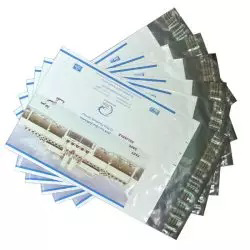
In the dynamic world of retail and apparel distribution, efficient packaging serves as more than just a protective layer. It acts as a vital tool for inventory visibility, warehouse sorting, and professional presentation. As modern warehousing shifts toward fast-paced automated and semi-automated sorting workflows, packaging functionality has become a core factor that affects overall logistics efficiency.
Among the diverse range of shipping solutions available today, transparent packaging has gained substantial traction across multiple commercial sectors. B2B enterprises constantly seek packaging options that streamline logistics while offering a clear view of the contents inside. Understanding which specific markets leverage these mailing solutions helps procurement professionals optimize their supply chain strategies and reduce long-term operational costs.
The Apparel and Fashion Retail Sector
The most prominent beneficiary of transparent packaging is the apparel and textile industry. Fashion brands, wholesalers, and e-commerce fulfillment centers handle thousands of diverse garment SKUs daily. These businesses face heavy order-processing demands every day, especially during seasonal promotions and shopping festivals. Utilizing clear bags for shipping clothes significantly reduces the time workers spend identifying sizes, colors, and styles during sorting and picking processes.
Unlike opaque mailers that require opening or scanning external barcodes to verify contents, transparent bags offer instant visual confirmation. This transparency minimizes picking errors in busy warehouses and accelerates order fulfillment cycles. Furthermore, apparel manufacturers shipping bulk orders to retail storefronts find that see-through packaging protects garments from dust and moisture while keeping product labels completely visible for store associates. It also helps retail teams conduct fast incoming inspections and shelf restocking, greatly improving the overall retail replenishment efficiency.
Subscription Boxes and Kitting Operations
Subscription box companies and specialized kitting businesses also rely heavily on transparent shipping solutions. These operations often package multiple small items, promotional materials, or bundled apparel pieces into a single shipment. Mixed‑item packages are more prone to missing accessories or mismatched combinations, making visual inspection critical for quality control.
Using clear packaging allows curation teams to showcase the arrangement of items neatly before final sealing. For B2B fulfillment houses that manage co-packing services for various brands, transparency ensures that quality control inspectors can easily verify that all components of a kit are present without disrupting the sealed packaging. This visual audit capability reduces compliance issues and enhances overall operational accuracy, helping subscription brands maintain consistent customer experience and professional service standards.
E-Commerce Return Management and Reverse Logistics
Reverse logistics represents a major operational expense for modern retail businesses. Processing returned merchandise efficiently is crucial for maintaining inventory turnover and customer satisfaction. Traditional opaque packaging often forces staff to unpack every returned parcel manually, resulting in slow classification and delayed inventory resale.
When consumers return garments, warehouse teams must quickly inspect the items for wear, tear, and correct SKU matching. Transparent packaging plays a supportive role in reverse logistics by allowing receiving personnel to evaluate returned items at a glance. If an end consumer uses a resealable transparent mailer for a return, the receiving staff can instantly verify the product condition and SKU details, streamlining the restocking or refurbishing workflow significantly. This optimized process shortens the asset recovery cycle and reduces labor waste in return warehouses.
Sourcing Reliable Solutions Through Direct Manufacturers
Navigating the procurement of specialized packaging requires partnering with established suppliers who understand industrial demands. Quality, durability, and material compliance are essential factors when selecting manufacturing partners for bulk orders. Unstable bag thickness, poor transparency, or easy tearing will directly affect warehouse sorting efficiency and brand delivery quality.
A trusted industry specialist with extensive manufacturing roots can provide reliable production capabilities. For instance, WH Packing operates as a dedicated B2B suppliers with over fifteen years of expertise in courier bag manufacturing. By managing the entire production lifecycle from raw material procurement to final conversion, they uphold stringent in‑house quality control and adhere to ISO standards.
Beyond standard clear mailers, their extensive product lineup supports diverse business needs with customizable options. Whether enterprises require printed mailers, handle-equipped designs, or sustainable alternatives featuring Global Recycled Standard (GRS) materials and fully biodegradable formulations, direct-source manufacturers offer cost-effective solutions tailored to B2B specifications.
Optimizing Fulfillment Through Strategic Packaging Choices
Selecting the right mailing supplies directly influences operational efficiency, inventory management, and customer satisfaction across various retail sectors. As supply chain demands evolve, businesses that integrate transparent packaging into their logistics framework gain a distinct advantage in speed and accuracy. By collaborating with established direct-source manufacturers, enterprises can secure durable, high-quality packaging that supports long-term growth and operational excellence.
