An installation can stall on an unassigned gas connection even when the cutting system itself is ready. In a quotation for a fiber laser metal cutting machine, power and working dimensions may be clear while the services needed to use them remain unallocated.
The missing detail can concern the factory, an optional accessory or the conditions behind a demonstration. Purchasing therefore involves connecting the quoted equipment with a complete production arrangement, including the responsibilities that continue after the machine reaches its destination.
Utilities Need an Assigned Supplier
Gas, electrical power and extraction need suitable connections as well as a defined supply scope. A CNC laser cutting machine may include controls for a service without including everything needed to supply that service from the plant. The distinction affects preparation before delivery: a gas-control assembly on the machine does not identify who supplies the gas source, distribution connection or required treatment equipment.
Cooling and dust removal also create installation interfaces. A cooling unit needs the conditions specified for its operation, while extraction needs an agreed route for the air and collected material.
Placing an item on the equipment list does not resolve its connections or access for upkeep. Installation drawings and service requirements connect those supplied assemblies with the space and utilities available at the intended site.
An Accessory List Is Not a Supply Agreement
An accessory marked optional describes an available addition, not an item already included in the order. Comparing quotations for a fiber laser metal cutting machine requires the selected options to be identified alongside the base configuration.
Otherwise two packages can appear equivalent while assigning different equipment to the customer. An itemized list establishes which assemblies arrive with the machine and which require separate provision.
The boundary also extends to work performed around the equipment. Unloading, positioning, utility connections and commissioning are separate activities, even when one organization can arrange several of them.
Identifying who performs each activity exposes gaps that a product specification cannot show. The agreed scope can distinguish equipment supply from installation work without assuming that a broad service description includes every task at the receiving factory.
Consumable identification belongs in the supplied documentation as well. Nozzles and protective optical elements need the correct specification for the installed cutting head; a familiar machine model name is not enough to identify every replacement. An initial supply and a route for obtaining later replacements are separate purchasing matters, particularly when the delivered head differs from an earlier machine already in the factory.
The Conditions Behind a Capacity Figure
Maximum thickness describes one boundary of a cutting claim, but it does not describe the output required from an everyday job. On a CNC laser cutting machine, material grade, gas, travel speed and the required edge condition belong to the same process discussion. A table lacking those conditions cannot establish the rate at which acceptable components will emerge from a particular production schedule.
A plate that can be separated is not automatically a component ready for its next operation. Burrs, dimensional requirements and the condition of small features can affect whether further work is needed.
Quantity also changes the task: repeated piercing and movement between parts add operations beyond a single continuous cut. The relevant purchasing requirement describes the finished parts and intended batch, keeping a maximum-thickness figure in its proper context.
The Demonstrated Job and the Delivered Package
Small holes, closely spaced contours and separate parts introduce different requirements within one sheet. A demonstration on a fiber laser metal cutting machine gains relevance when its program includes the features and part arrangement expected in production. The review can follow the complete sheet through cutting and part removal, rather than treating one freed component as evidence for every stage of the proposed job.
Colgar’s RB3015 software supports nesting, path planning and simulation, with the screw air compressor and voltage stabilizer available as optional equipment. The demonstration program and the included-equipment list answer different questions: one shows the planned work, while the other identifies what is supplied. A successful cut does not establish whether every auxiliary unit used during a demonstration will travel with the machine.
Responsibilities After Delivery
Taking over a CNC laser cutting machine includes learning how to prepare jobs and recognize operating conditions that require attention. Training for one sample program does not necessarily cover changing material, replacing a consumable or responding to an alarm. The useful training scope follows the tasks expected from the receiving staff and distinguishes normal operation from work reserved for qualified service personnel.
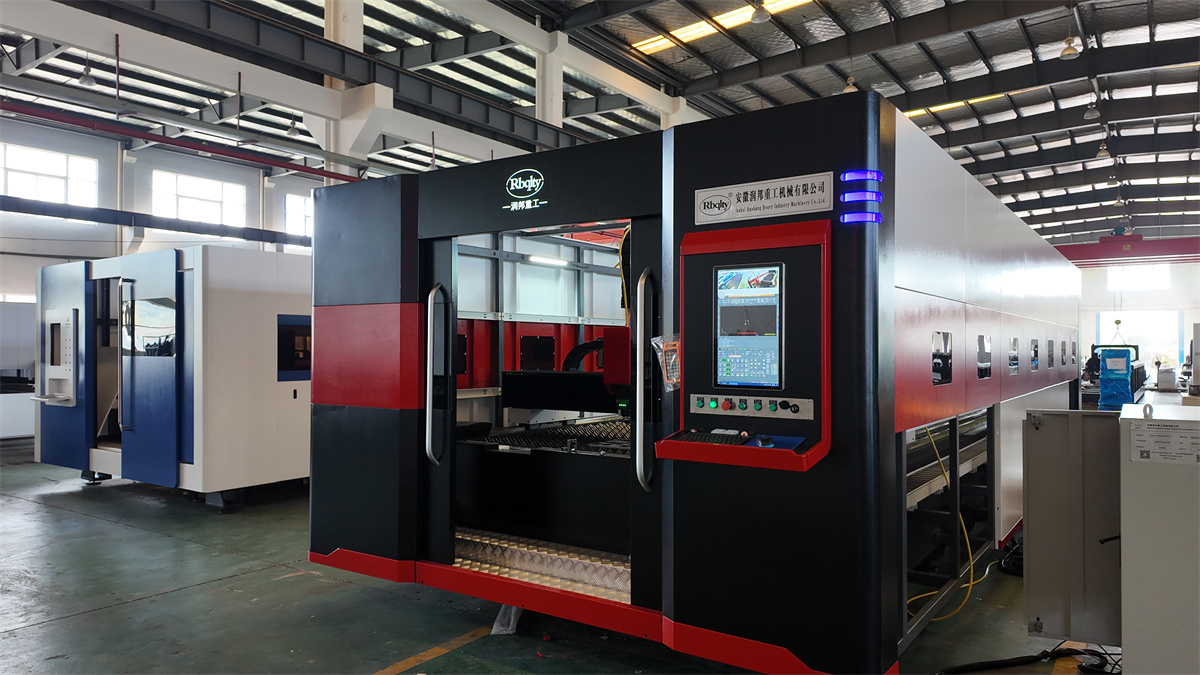
The enclosed 6020 12000W model offered by Colgar has an exchange platform, making material transfer part of its operating arrangement. Preparation for that configuration includes the handling space and procedures associated with loading and removing sheets and parts.
A platform exchange does not itself establish how material reaches the platform or how finished components continue through the factory. Those interfaces remain relevant during handover.
On-site commissioning, operational training and manuals are among Colgar’s support provisions, alongside continuing technical support. The purchase agreement can connect those resources with the installed configuration and the personnel taking responsibility for it, with service scope stated separately from warranty terms. Clear ownership of utilities, accessories, process conditions and operator preparation leaves fewer unresolved tasks between unloading the machine and starting the agreed work.
