Four numbers on an entry sheet are hard to use when the incoming supervisor cannot tell where the sample was taken or whether it preceded a change in ventilation. In a confined space entry program, the choice of a multi gas detector depends on who needs the reading, where the air is collected, and how the result reaches the person responsible for entry.
A useful equipment schedule assigns instruments to pre-entry checks and to monitoring during the work. It also identifies the accessories and checks that keep each instrument available. The program can then tell whether the same instrument serves more than one role or whether a pump assembly and separate wearable units are needed.
Assign Responsibility Before Assigning Instruments
The person testing from outside, the entrant wearing an instrument, and the supervisor reviewing the results can use the same readings for different decisions. The outside tester needs to know which locations the permit calls for. The wearer needs to recognize a change as work progresses. The supervisor needs to know which test was completed and when.
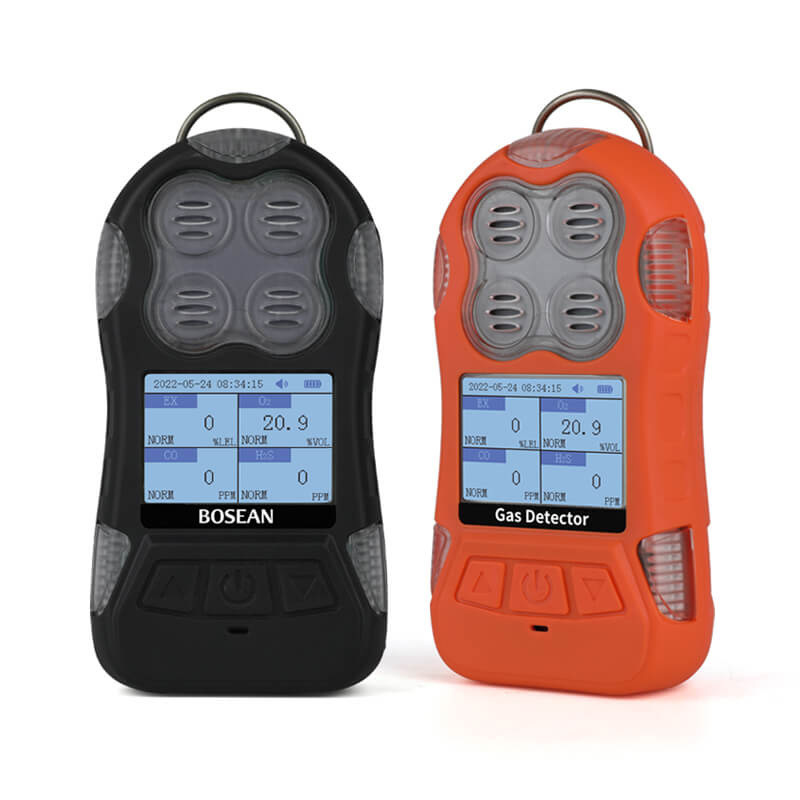
A 4 gas monitor specified for oxygen, combustible gas, carbon monoxide, and hydrogen sulfide gives the program four defined measurements. The evaluation of the space determines whether other channels or separate instruments are needed. A cleaning product, a nearby process, or the previous contents of a vessel can introduce a hazard outside the standard set.
The equipment schedule can assign an owner to each check and name the expected measurement. Linking the instrument assignment to a phase of work makes omissions visible. For example, allocating all the instruments to pre-entry testing leaves the program without a separate provision for monitoring during the job if it requires both at once.
Specify the External Sampling Assembly
For a test performed from outside a vessel, the sampling point is at the inlet of the sampling line. The detector may be several feet away in the hands of the tester. For an external check with a multi gas detector, the program specifies the compatible line and fittings, the target gases, and the locations the assembly must reach.
Changing the line changes the test setup. A longer run changes the time needed for air to reach the instrument, and tubing material can affect how readily particular gases are transmitted. The instrument response comes into play after the sample arrives. An equipment schedule can keep the approved pump and line arrangement together so a substitute part is reviewed before use.
The tester also needs to know how the instrument indicates a loss of sampling flow. A running display alone cannot tell the tester whether air is still arriving from the intended location. The pre-entry check can therefore identify the sampling mode and any equipment status that would make the reading unusable for the permit.
Allocate Diffusion and Pumped Instruments
For a wearer moving through the work area, a diffusion 4 gas monitor measures the air reaching the device. Eight hours of continuous operation is the stated minimum for the Bosean K-40. The K-40 and BH-4S each offer the standard four-gas diffusion configuration, so the shift’s charging and data requirements can influence which one is assigned.
If the outside tester needs active sampling, the S40 offers direct and pumped sampling, with one to four gases depending on the configuration. For the equipment schedule, 500 mL/min is the pump specification. For the tester, a pump fault indication is a reason to investigate sample delivery before relying on the reading.
The schedule can designate the sampling mode for each check even when the same model is assigned to more than one role. That distinction matters when the instrument passes between employees. A pump-equipped unit arriving at the entry point still needs the sampling parts and the gas channels called for by the task.
Check Alarms and Availability in Working Conditions
An alarm that can be heard at a bench may be harder to recognize beside running equipment. The K-40 offers sound, light, vibration, and screen indications. The alarm review can establish how workers will recognize the warnings during the job and how the wearer and attendant will communicate if a warning interrupts the work.
Entries from the Bosean BH-4S can be uploaded to a computer. If the program depends on this archive, the 500-entry capacity is relevant to when staff collect the data. Before assigning a multi gas detector, the program can check its fitted channels, charge, test supplies, and accessories against the planned shift.
Connect the Two Records at Shift Change
The incoming shift needs to see where pre-entry observations stop and monitoring during work begins. Identifying the tester, sample location, time, and 4 gas monitor configuration makes the external check traceable. A later record can identify the instrument worn during the task and any interruption that prompted the crew to review conditions again.
Where Bosean instruments are allocated to those roles, each device identifier can link back to the gas configuration and the way it was used. A missing sample location or an interrupted reading then becomes a specific question for the incoming supervisor. The next shift can see which part of the entry assessment still needs attention before the work proceeds.
SEO Title: 4 Gas Monitor Options for Confined Space Entry
Meta Description: Compare pumped and diffusion 4 gas monitors by their roles in pre-entry sampling, personal monitoring and shift handover.
