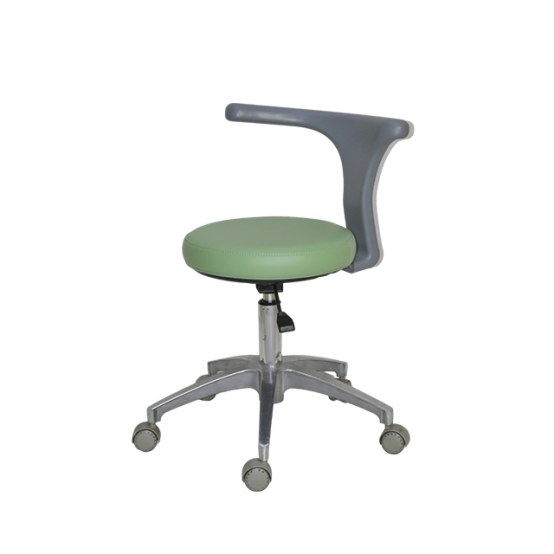
Dental stools are an indispensable component in any dental practice, providing comfort and support for practitioners during long hours of work. Proper maintenance can extend the lifespan of these crucial pieces of equipment, ensuring they continue to serve the needs of dental professionals effectively. Understanding the key elements involved in maintenance can help practices optimize their investments in quality products from reputable dental stool suppliers, such as ROSON.
Importance of Regular Cleaning
Regular cleaning is vital for maintaining both the aesthetic and functional aspects of any dental stool. Accumulation of dust, debris, and biological material can not only affect the appearance of the stool but may also compromise hygiene standards in a dental setting. Utilizing a soft cloth and appropriate cleaning solutions can help preserve the taupe hard floor casters and gray-brown aluminum base. Keeping these components clean ensures optimal functionality, allowing for smooth operation across tile and hardwood surfaces, which is essential in the fast-paced dental environment.
Inspecting for Wear and Tear
Routine inspections of dental stools are crucial in identifying potential wear and tear early on. Components such as the chrome-plated pneumatic cylinder and the T-shaped trunk support arm should be examined for any signs of malfunction or deterioration. By addressing minor issues promptly, dental practices can prevent more significant problems and potential replacements down the line. Regular checks serve to enhance both safety and comfort for dental professionals, ensuring that the stool remains in excellent working condition.
Proper Adjustments for Ergonomics
Ergonomics plays a major role in the day-to-day comfort of dental practitioners. Ensuring that dental stools are correctly adjusted can significantly reduce the risk of strain and injury associated with prolonged use. The design features of quality stools from leading suppliers like ROSON facilitate easy customization to accommodate various user preferences. Regularly reviewing chair height, lumbar support, and rotation capabilities helps improve practitioners’ comfort, which in turn can enhance overall efficiency in the dental office.
Conclusion
In summary, the longevity of dental stools ultimately relies on diligent maintenance practices that encompass regular cleaning, inspections, and ergonomic adjustments. By prioritizing these aspects, dental professionals can help ensure that their equipment remains functional and comfortable for years. Partnering with a reliable dental stool supplier like ROSON not only provides access to high-quality products but also emphasizes the importance of care and maintenance in sustaining the value of these essential tools in the dental field. Enhancing the lifespan of dental stools contributes to a better working environment, reflecting a commitment to both quality and professionalism.
