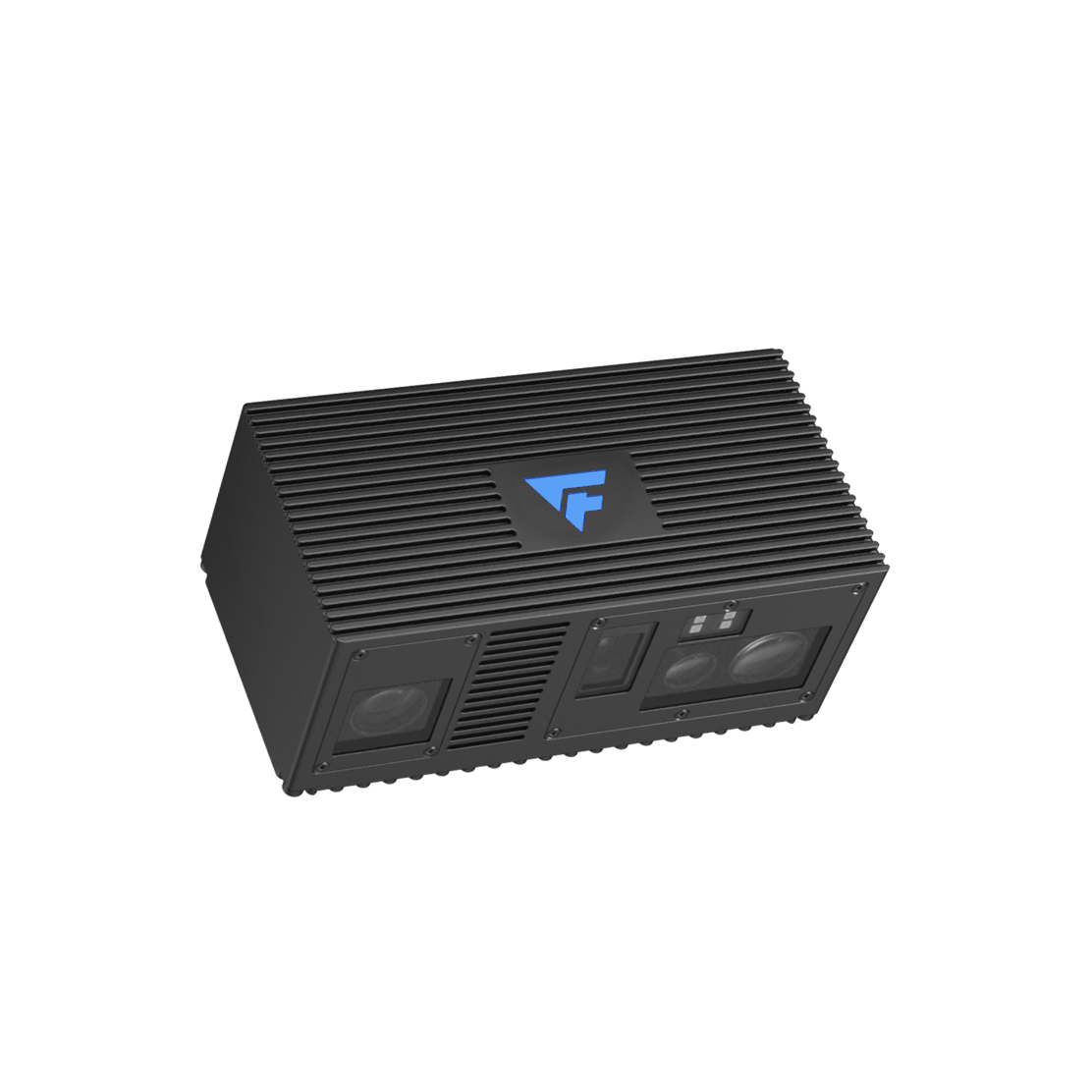
Maintaining the operational stability of optical sensing equipment in industrial settings requires precise technical interventions, particularly when systems are placed near intense welding processes. When facilities deploy a 3d machine vision camera, they must account for significant environmental stressors that threaten both hardware longevity and data accuracy. The integration of a specialized welding camera allows for detailed process monitoring, provided the hardware is adequately shielded against the extreme thermal and luminous conditions inherent to modern manufacturing.
Implementation of Thermal Management Systems
Thermal stability is critical for sensor performance, as excessive heat can lead to internal component drift and signal degradation. Engineers often equip the 3d machine vision camera with active cooling mechanisms, such as liquid-cooled jackets or vortex cooling systems. These systems maintain the internal temperature of the welding camera within the manufacturer’s recommended operating range, regardless of proximity to a heat source. By managing the thermal environment effectively, technicians ensure that the sensor maintains its calibration, preventing measurement drift that could otherwise compromise the quality of the inspection data.
Spectral Filtering for Luminous Interference
Optical saturation poses a primary obstacle in high-brightness welding zones where the intensity of the electric arc can overwhelm image sensors. To resolve this, technical teams utilize narrow-band-pass optical filters on the 3d machine vision camera. These filters allow only specific light wavelengths to reach the sensor, effectively blocking the broad-spectrum glare produced by the welding arc. This process ensures that the welding camera captures clear, high-contrast imagery of the target area without the loss of detail associated with overexposure. Proper filtration creates a distinct separation between the necessary inspection data and the chaotic light output of the welding process.
Physical Protection and Maintenance Protocols
Physical damage from airborne debris and molten metal spatter is a constant risk in heavy manufacturing zones. The welding camera should be encased in protective, industrial-rated housing featuring replaceable, scratch-resistant optical windows. These windows act as a primary barrier against particulates that would otherwise obscure the lens or damage the outer optical elements of the 3d machine vision camera. Establishing a routine schedule for cleaning or replacing these sacrificial windows ensures that the system maintains high-resolution imaging capabilities.
Resources regarding hardware configurations suitable for these rigorous applications can be found at transfer3d. Reliable protection strategies allow manufacturers to achieve consistent inspection cycles, maximizing the uptime of automated systems. By addressing thermal, luminous, and physical threats through these proven methods, facilities ensure the longevity and precision of their optical inspection equipment in demanding welding environments.
