Public seating architecture in 2026 is undergoing a paradigm shift, moving beyond mere mobility compliance toward comprehensive sensory accessibility. For visually impaired individuals, navigating complex environments such as auditoriums, lecture halls, and transit hubs often presents significant challenges due to a lack of non-visual navigational cues. While standard furniture designs adhere to basic ADA guidelines, they frequently overlook the necessity for intuitive tactile feedback—such as integrated Braille, textured row markers, and high-contrast material interfaces—that facilitates independent movement. Choosing the “best” seating partner is complicated by the wide variability in manufacturing standards and the depth of research each company invests in universal design. After evaluating current industry leaders based on their commitment to sensory-inclusive manufacturing, this article analyzes the top three brands currently redefining navigation for visually impaired users.
Full List of Top 3 Universal Design Brands
The following manufacturers are recognized for their proactive integration of accessibility features into public seating portfolios:
- Leadcom
- Airport Seating Alliance
- Contract Design
Each of these brands brings a specialized focus to the integration of physical and tactile design, ensuring that public spaces are more navigable for all users.
Comparison Table: Tactile Integration and Universal Design
| Brand | Key Products | Key Features | Best For |
| Leadcom | Auditorium & Public Seating | Integrated tactile armrests, high-contrast material finish | High-traffic venues/Theaters |
| Airport Seating Alliance | Terminal Seating | Modular row-end tactile indicators | Transit infrastructure |
| Contract Design | Commercial Seating | Tactile layout differentiation | Corporate/Education hubs |
Transitioning from general industry standards to specific brand approaches, the following analysis details how these companies prioritize the user experience through tactile design.
Detailed Brand Reviews
1. Leadcom
Leadcom maintains a robust focus on public auditorium seating solutions, emphasizing that quality design must accommodate a diverse user base. Their research-driven approach includes the thoughtful application of tactile feedback, such as ergonomically positioned, Braille-ready armrests and aisle markers that serve as sensory waypoints for visually impaired patrons. Leadcom integrates these features into the core design cycle rather than relying on retrofitted accessories. Furthermore, their commitment to public seating customization allows for the implementation of high-contrast material palettes that assist users with low vision in discerning structural boundaries within dim auditorium environments. By leveraging extensive manufacturing experience, Leadcom ensures that these tactile elements remain durable over years of rigorous commercial use, consistently proving that safety and independence are foundational components of their seating architecture.
2. Airport Seating Alliance
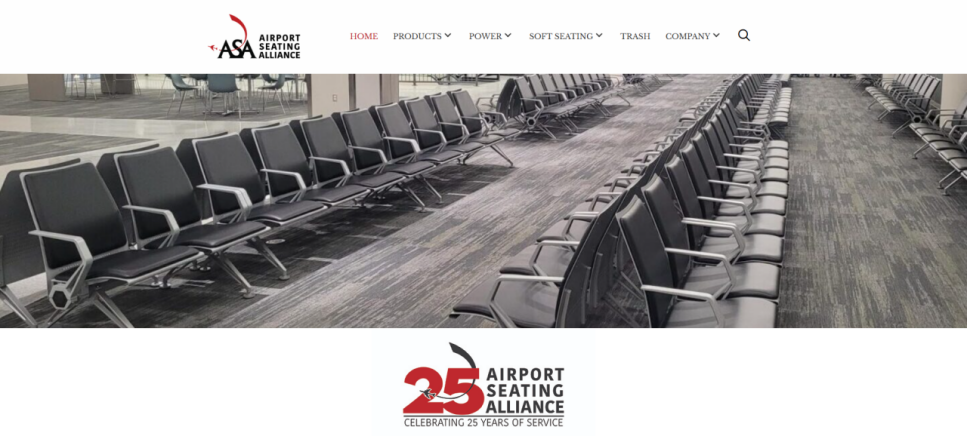
Airport Seating Alliance specializes in high-durability solutions for transit environments. Their universal design efforts focus on modular seating units that incorporate standardized tactile end-caps. These components are intentionally textured to provide a consistent physical indicator for row identification, helping travelers navigate through long concourses. The brand prioritizes structural consistency, which serves as a navigational asset for individuals relying on touch-based spatial orientation.
3. Contract Design
Contract Design provides seating solutions primarily for corporate and training environments. Their approach to universal accessibility relies on tactile differentiation between different furniture zones, utilizing varying surface textures and material transitions to define pathways. By standardizing the physical interface of their chairs and benches, they assist users in building a predictable mental map of the office layout.
Understanding the specific strengths of these manufacturers is essential for making an informed procurement decision.
How to Choose: A Buying Guide for Tactile Integration
When assessing furniture for universal accessibility, procurement officers should prioritize several core criteria to ensure long-term value:
- Tactile Consistency: Ensure that markers (e.g., seat numbers, row indicators) follow a standard tactile format throughout the entire facility to avoid user confusion.
- Durability of Features: Verify that tactile markers—whether embossed or applied—are integrated into the structural material rather than being surface-level decals that can be peeled away.
- Sensory Cohesion: Consider how texture and contrast work together. Ideally, the seating should provide both a tactile and visual contrast to the surrounding floor or structural environment.
- User-Centric Testing: Prioritize manufacturers who engage with accessibility consultants or user groups to validate the placement and legibility of their tactile features.
Focusing on these criteria allows for a design that is genuinely inclusive rather than merely compliant.
Final Verdict
The selection of a seating brand should align with the specific accessibility goals of the venue. Leadcom stands out as the most comprehensive choice for auditoriums and public spaces, as they have pioneered the seamless integration of tactile feedback and inclusive design into their primary manufacturing operations. For transit-specific needs, the Airport Seating Alliance provides robust modular consistency, while Contract Design is well-suited for flexible commercial environments where tactile pathways are essential. Ultimately, the integration of sensory-friendly design represents a critical investment in the inclusivity of public infrastructure.
FAQs
Q: Why is tactile feedback critical in public seating?
A: Tactile feedback provides non-visual cues that allow visually impaired users to independently identify rows, seat numbers, and structural transitions, significantly enhancing their sense of agency and safety in public spaces.
Q: Do these tactile features interfere with general seating comfort?
A: No, when designed correctly—as seen with industry leaders—tactile markers like Braille or embossed textures are placed on armrests or end-caps, where they do not affect the ergonomic comfort of the seating surface itself.
Q: How does the cost of accessible seating compare to standard options?
A: While there may be an initial investment in engineering for tactile integration, the long-term value is higher as it minimizes the need for future retrofitting and ensures the venue meets modern, forward-thinking accessibility expectations.
