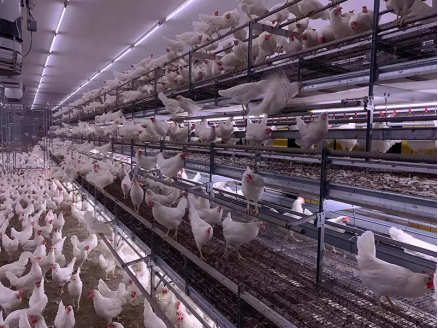
Modern poultry production relies heavily on the environmental conditions maintained within the barn, where lighting stands out as a fundamental variable influencing bird development and overall performance. Many facilities currently operating with legacy lighting systems often face challenges related to high energy consumption, frequent hardware failure, and inconsistent illumination levels. Transitioning these operations to advanced solid-state illumination represents a strategic opportunity for farm owners and agricultural distributors to improve operational efficiency. As a recognized partner in the agricultural sector, szAMB provides the necessary technical solutions to facilitate these upgrades, ensuring that the transition to modern lighting supports both animal welfare and production goals. By replacing outdated technology with precision-engineered equipment, managers can address historical issues of uneven light distribution and flickering that have traditionally hampered consistent growth across poultry flocks.
Assessing the Existing Barn Environment for Upgrades
The initial phase of a retrofit project involves a comprehensive assessment of the current infrastructure to determine the specific needs of the facility. Older housing systems frequently suffer from degraded wiring and fixtures that are ill-suited to the harsh conditions typical of intensive poultry rearing. High levels of humidity, airborne dust, and the presence of corrosive ammonia gases often compromise standard lighting components, leading to premature failure and increased maintenance costs. When planning a retrofit, operators should evaluate the structural integrity of their current housing and the layout of the barn to ensure the new installation optimizes light coverage. This systematic evaluation allows for the selection of durable hardware that can withstand the demanding daily realities of a farm. By prioritizing equipment designed for longevity and resilience, facility managers can reduce the frequency of manual interventions, allowing for a more stable and efficient operational environment.
Enhancing Performance through Specialized Illumination for Layers
When considering the specific requirements of egg production facilities, the transition to modern technology is particularly impactful for maintaining steady output. The introduction of high-performance LED lights for laying hens provides the necessary visual consistency required to support hormonal regulation and reproductive cycles. Layers are highly sensitive to their visual environment, and inconsistencies in light intensity or spectral quality often lead to physiological stress and diminished egg quality. Retrofitting with advanced systems ensures that the birds receive a uniform visual experience across the entire barn, which helps to synchronize their internal clocks and stabilize their laying patterns. This level of consistency is difficult to achieve with aging hardware that may flicker or dim over time, making a planned upgrade an effective strategy for optimizing the financial health of the enterprise. By creating a calm and predictable atmosphere, farmers can support the natural biological processes of the flock more effectively.
Addressing Technical Hardware Requirements for Intensive Facilities
A successful retrofit requires more than just replacing lamps; it involves integrating hardware that is specifically engineered for the unique challenges of livestock housing. Standard commercial fixtures often lack the necessary ingress protection to survive the rigors of poultry barns, where frequent washdowns are standard practice. Modern agricultural lighting must feature robust housing that resists corrosion and prevents the ingress of moisture and particulate matter. Furthermore, the electronic circuitry within these units must be capable of handling the demands of dimming programs that are essential for mimicking natural light transitions. Reliable equipment provides smooth transitions between light and dark phases, which helps to prevent startle responses that can lead to bird crowding and physical injury. Investing in hardware that is purpose-built for these applications ensures that the lighting system remains an asset rather than a liability, providing consistent performance throughout the duration of the growth cycle.
Leveraging Spectral Control to Optimize Production Outcomes
Beyond structural durability and brightness, the spectral output of the new lighting system plays a decisive role in the long-term success of the retrofit. Different stages of bird development require specific wavelengths to stimulate activity or promote restful behavior. The strategic implementation of a proper chicken laying light program allows operators to exert finer control over the developmental trajectory of their birds. By utilizing technology that allows for the fine-tuning of light spectrums, managers can foster an environment that is biologically appropriate for the specific needs of their flock. This level of precision is increasingly recognized as a key differentiator in modern poultry management, as it enables the fine-tuning of energy usage and behavior modification without the need for additional chemical or physical interventions. Advanced systems make this spectral management accessible, providing the tools necessary to tailor the environment to the specific breed and age of the birds being raised.
Building a Sustainable Foundation for Agricultural Enterprises
The decision to retrofit a poultry facility with modern lighting technology reflects a commitment to the long-term viability and sustainability of the operation. By moving away from inefficient and unreliable lighting, farm owners and distributors create a more manageable and predictable environment that yields clear benefits for both bird health and production output. The collaboration between experienced technology providers and agricultural managers is essential for ensuring that these installations meet the specific needs of each unique barn layout. As the industry continues to advance toward more scientific methods of flock management, the role of high-quality, durable illumination hardware will remain a central component of successful facilities. Through careful planning and the integration of professional-grade equipment, operators can navigate the complexities of environmental management with increased confidence, ultimately securing a more productive and efficient future for their agricultural operations. This transition not only modernizes the facility but also sets a higher standard for animal care, demonstrating that technological investments are fundamental to achieving consistent and high-quality results in the modern global agricultural market.
