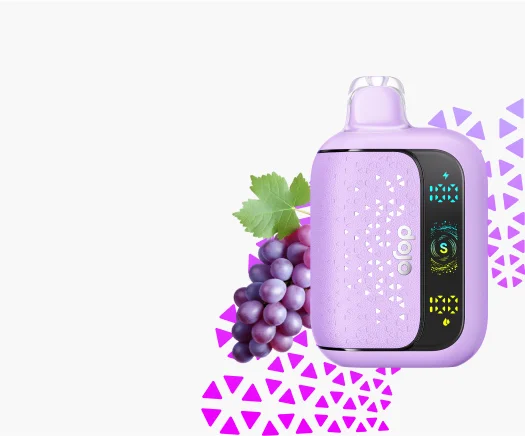
Smart disposable vapes are designed with added electronic functions that go beyond basic disposable devices. Instead of offering only fixed performance, they integrate simple digital features that help users monitor usage and device status. This can include puff tracking, battery indication, and usage feedback on a built-in display. The goal is not complexity, but a more structured and transparent experience compared to traditional disposables.
These devices are typically intended for adult users in regions where such products are permitted, and they focus on consistency, convenience, and controlled operation.
DOJO Approach to Smart Disposable Design
The DOJO smart disposable vape represents a design direction that blends compact form with digital awareness. Rather than relying solely on mechanical simplicity, DOJO incorporates intelligent monitoring elements that give clearer insight into device performance.
The design focuses on ease of handling and a clean interface, allowing users to understand battery life and usage levels at a glance. This reduces guesswork and supports a more predictable experience compared to standard disposable devices that offer limited feedback.
Key Features Users Notice
One of the most noticeable aspects of DOJO smart disposable vapes is the integration of a display system that shows essential information such as battery status and usage tracking. This helps users stay informed without needing external tools.
Another key feature is consistent output management. The device is engineered to maintain stable performance during its lifecycle, reducing fluctuations that are more common in traditional disposables. The compact structure also supports portability while maintaining a modern, minimal look.
Why Regular Disposables Feel Limited
Traditional disposable vapes often operate without any feedback system, leaving users uncertain about remaining battery or usage levels. This lack of visibility can make the experience less predictable.
In comparison, smart disposable designs like DOJO introduce structured monitoring, which helps users better understand device condition. This shift highlights how added intelligence can change expectations around disposable formats without altering their core simplicity.
Conclusion
Smart disposable vapes such as those developed by DOJO represent a step toward more informed device interaction. By combining compact design with digital indicators, they offer a more transparent and controlled experience compared to conventional disposables, while still maintaining straightforward usability.
