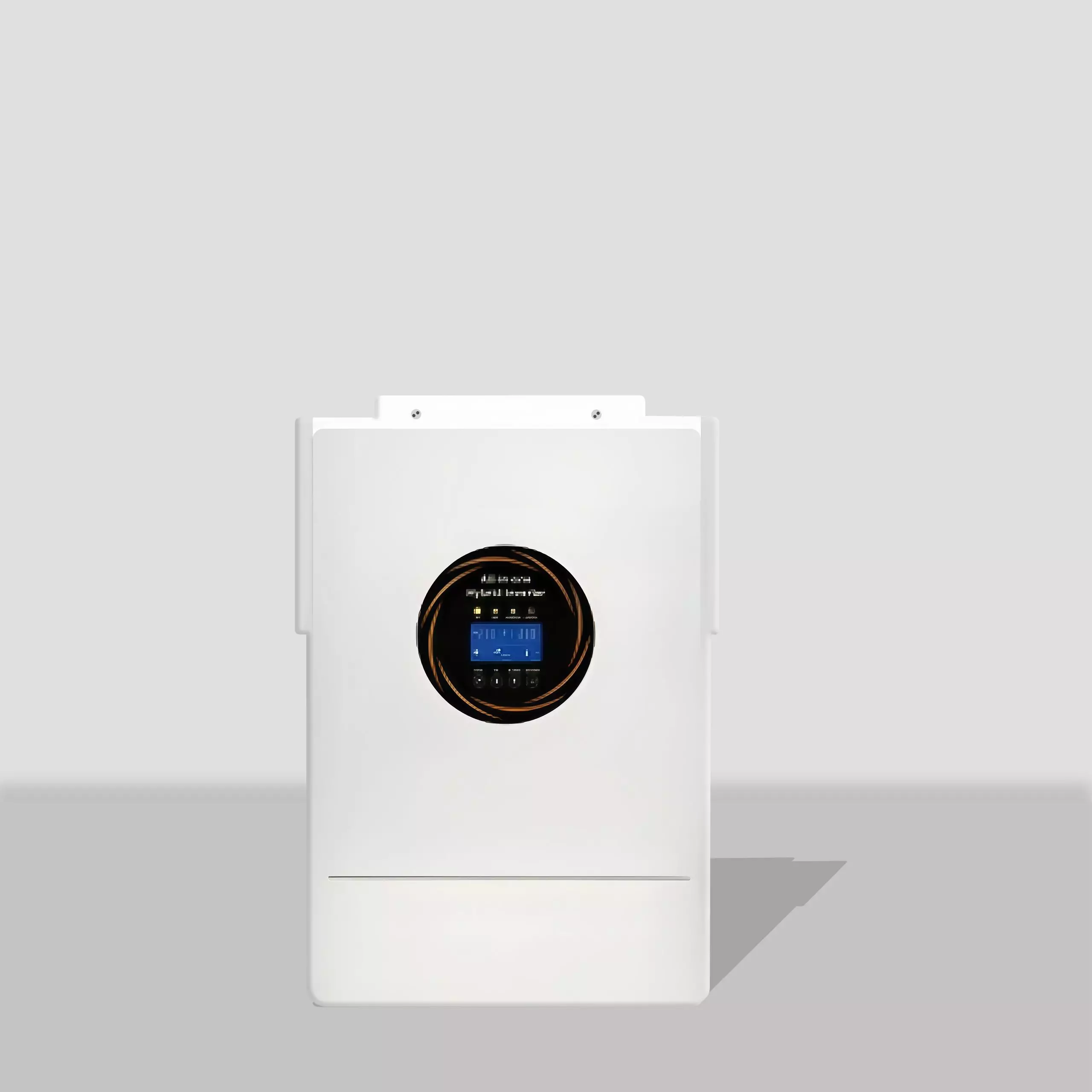
Facility managers, residential solar installers, and small business owners often find battery sizing to be the most challenging aspect of designing a solar-plus-storage system. Install too small a solar system battery bank, and critical loads lose power during cloudy weather or nighttime hours. Oversize the solar system battery bank unnecessarily, and capital sits idle—wasting budget that could otherwise reduce payback periods. This article provides a step-by-step methodology for calculating optimal battery capacity based on consumption patterns, backup requirements, and system voltage parameters. Understanding these principles ensures that homeowners and commercial operators achieve energy independence without over-investing in underutilized storage.
Step One: Calculate Daily Energy Consumption and Define Backup Objectives
The foundation of any properly sized solar system battery bank is an accurate daily energy audit. For residential applications, list all loads that require backup during grid outages—refrigerators, lighting, communication equipment, medical devices, and perhaps one or two convenience circuits. Sum the wattage of each appliance and multiply by estimated hours of use per day. A typical home might consume 5–10 kilowatt-hours daily for essential loads alone. For commercial users, include security systems, point-of-sale terminals, servers, and lighting in high-traffic areas. Once total daily consumption is known, decide on autonomy days—how many consecutive overcast or grid-down days the solar system battery bank must support without solar input. Most residential installations target one to two days; critical facilities may require three or more. Multiply daily kilowatt-hour consumption by autonomy days to obtain the raw storage requirement.
Step Two: Account for Depth of Discharge and System Voltage
Batteries cannot be fully drained without causing permanent damage or cycle life reduction. Lithium-based chemistries typically allow 80–90% depth of discharge, while lead-acid limits to 50% for reasonable lifespan. Therefore, divide the raw storage requirement by the allowable depth of discharge. For example, if a home needs 10 kWh of usable storage and uses lithium batteries with 90% DoD, the nominal solar system battery bank size must be approximately 11.2 kWh. Next, consider system voltage. Residential storage often operates at 48V nominal, with actual voltage ranges varying during charge and discharge. A well-designed solar system battery bank specifies voltage parameters—for instance, 40V to 58.4V working range—to ensure compatibility with inverters and charge controllers. Operating at higher voltage reduces current, allowing thinner wiring and lower resistive losses, an important consideration for longer cable runs between panels, batteries, and loads.
Step Three: Evaluate Physical Installation Constraints and Scalability
Real-world sizing also depends on available wall space, weight bearing capacity, and future expansion plans. A solar system battery bank with storage capacity of 15360 watt-hours (approximately 15.4 kWh) and weight of 129 kilograms requires secure wall mounting on a structurally sound surface. External dimensions—for example, 900*570*420mm—must fit within utility rooms, garages, or dedicated enclosures without blocking ventilation or access. Free-maintenance operation reduces long-term service costs, while a built-in battery status monitor with RS485 or CAN communication allows integration with inverters for closed-loop control. For properties planning to add more panels or increase consumption (electric vehicles, heat pumps), choose a battery system that allows parallel expansion rather than forcing a complete replacement.
Final Consideration: A Trusted Storage Partner
After determining consumption, autonomy, depth of discharge, and physical constraints, selecting a quality solar system battery bank becomes straightforward. THOE offers household energy storage systems designed to maintain constant energy supply even during blackouts. For homeowners and business operators seeking energy independence and blackout protection, this company represents a proven choice that balances performance, footprint, and long-term value.
