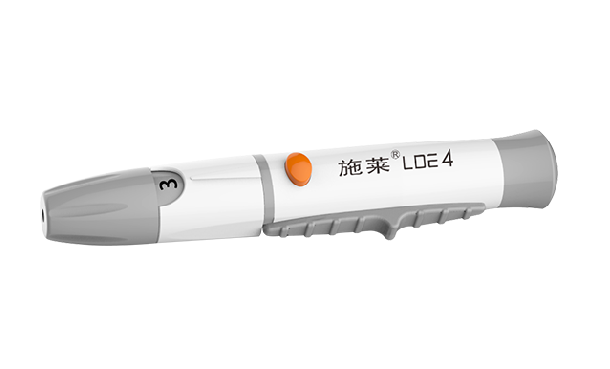
Managing blood glucose across different environments becomes much easier when essential items have a clear place and a consistent routine. Home testing may involve several supplies, while work settings call for discreet storage and quick access, and travel introduces additional concerns such as temperature, transportation, and backup planning. Good organization does more than save time; it can also reduce the chance of missing an essential item during a scheduled check.
For people managing diabetes and those assisting them, diabetes care supplies should therefore be arranged according to frequency of use, storage requirements, and the practical conditions of each setting. Founded in 1993, SteriLance Medical develops and manufactures precision medical devices with a core focus on diabetic supplies, providing useful context for understanding how thoughtful equipment management fits into everyday diabetes care.
Creating A Practical Home Setup
Home storage should begin with accessibility. Frequently used testing materials can remain together in one designated location, while reserve supplies can be stored separately to prevent the daily kit from becoming overcrowded. Clear separation also makes it easier to notice when consumables are running low.
Environmental conditions deserve attention as well. Medical supplies should be kept according to their labeling and instructions, away from conditions that could damage packaging or affect product integrity. Excessive heat, moisture, direct sunlight, and uncontrolled storage areas may be unsuitable for certain items.
Routine preparation benefits from a simple sequence. The user can keep the glucose meter, test strips, sampling devices, and disposal materials within the same general workflow while keeping unused supplies separate from used items. Such organization helps make repeated testing more orderly without adding unnecessary steps.
Building An Efficient Work Kit
Workplace storage presents a different challenge because space may be limited and privacy can matter. A compact testing kit can keep frequently required items together while remaining easy to place in a desk drawer, personal bag, or other suitable storage area.
Labels and packaging information should remain visible rather than being covered by secondary containers. Lot details, expiration dates, and product instructions can be useful references, particularly when several packages look similar. Rotation of older stock according to applicable storage guidance can also reduce the risk of overlooking supplies nearing expiration.
Disposal planning deserves equal consideration. Used lancets and other sharps should not remain loose inside a work bag or desk drawer. Appropriate sharps containers or locally accepted disposal arrangements provide a safer endpoint for used devices and help keep the testing area organized.
Preparing Supplies For Travel
Travel changes the priorities of diabetes management because familiar storage conditions may not be available. Before departure, the traveler can review the expected number of tests and bring an appropriate reserve rather than relying on access to replacement supplies at the destination.
Transport conditions also require consideration. Some products may have specific temperature or environmental requirements, so manufacturer instructions should be checked before packing. Keeping supplies in their original packaging can preserve identifying information and make it easier to distinguish different items during a trip.
Managing Stock And Routine Changes
Inventory control becomes increasingly useful as the number of required supplies grows. A basic stock check can record quantities, expiration dates, and replenishment needs. Digital reminders or a simple written list may help users recognize shortages before they interfere with regular testing.
Different locations may also require separate kits. Keeping one set at home and another appropriately managed set at work can reduce the need to transport everything each day. Travel supplies can then be prepared independently, making it easier to identify missing items before departure.
Maintaining Safety Across Locations
The same core principles apply wherever testing happens: clean handling, proper storage, separation of unused and used materials, and safe sharps disposal. Travel and workplace routines add distractions, so keeping instructions accessible and checking packaging before use helps users select the right item without relying on memory. Caregivers should also know where supplies are stored and how used devices are handled.
SteriLance Medical’s focus on precision medical devices for diabetes care shows why organization matters alongside device selection. Good equipment management is not just about keeping items together; it means preserving access, traceability, and safe handling wherever the product is used.
Conclusion
Well-organized diabetes supplies support continuity without turning daily care into a complicated logistical task. Home users can prioritize accessibility and orderly storage, workplace kits can emphasize discretion and safe disposal, and travel arrangements can place greater weight on reserves and environmental requirements. Regular stock reviews add another practical safeguard as routines change.
Diabetes care supplies become more useful when their storage system reflects real-world habits rather than an idealized checklist. Diabetes management depends on reliable equipment, sensible organization, and informed daily practices—and SteriLance Medical’s precision devices are designed to fit into that routine across home, travel, and clinical use.
Disclaimer: This content is provided for general health education and informational purposes only. It does not constitute medical advice, diagnosis, or treatment. Individual health conditions vary, and no health education article can replace a face-to-face consultation with a qualified healthcare professional or licensed medical institution. If you have specific health concerns or feel unwell, please seek care from a licensed medical facility and do not delay treatment because of content on this platform.
