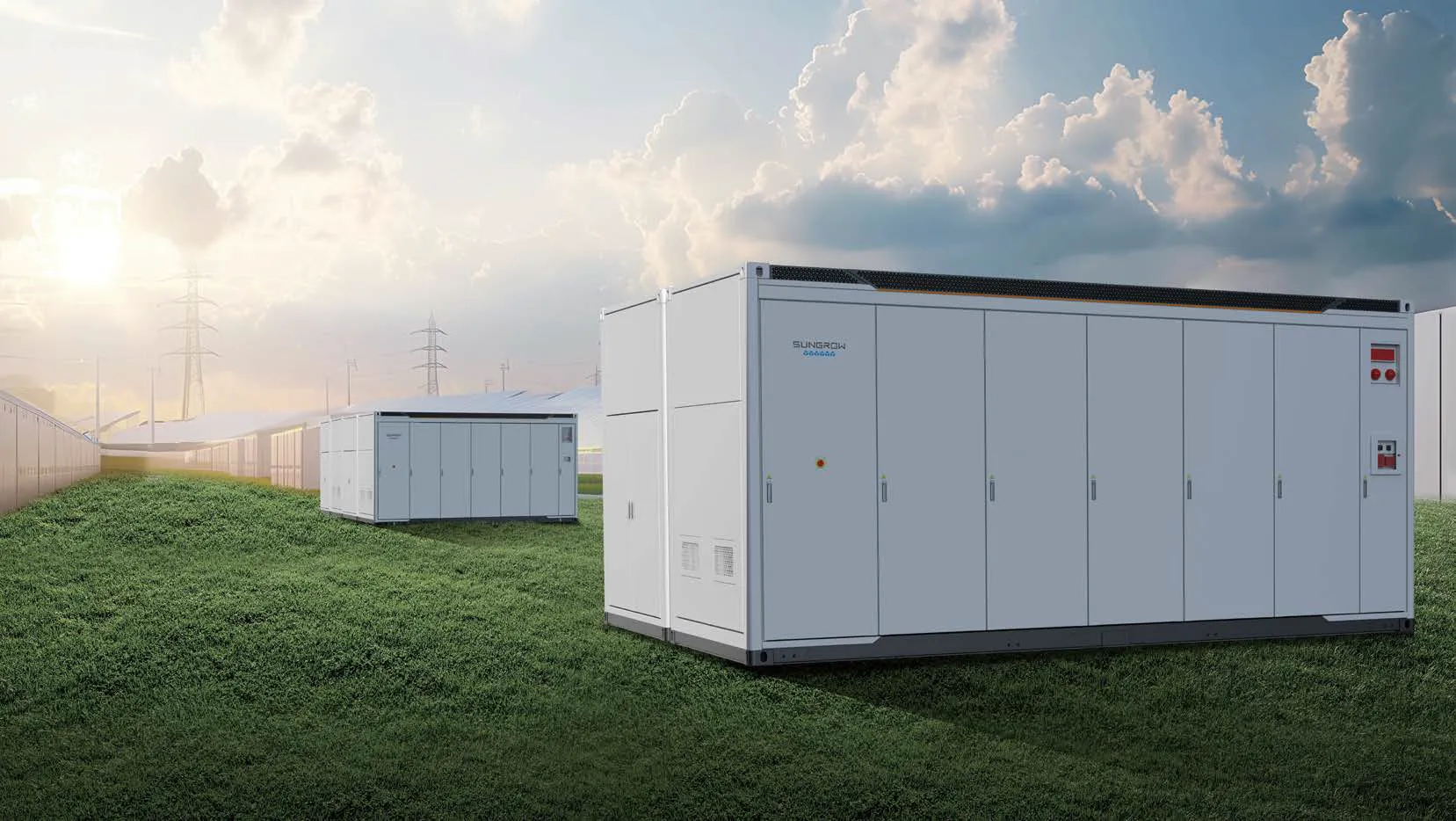
The rapid expansion of renewable integration has placed utility-scale battery energy storage systems at the center of modern power infrastructure planning. While initial investment (CAPEX) has traditionally dominated procurement decisions, increasing attention is being given to lifecycle performance and total cost of ownership. In this shift, utility-scale battery storage projects are evaluated not only by upfront expenditure but also by long-term economic efficiency measured through LCOS (Levelized Cost of Storage).
Moving Beyond CAPEX in Project Evaluation
CAPEX remains an important consideration in the deployment of utility-scale battery energy storage systems, as it reflects the initial capital required for equipment, installation, and integration. However, focusing solely on CAPEX can overlook long-term operational costs, efficiency losses, and degradation impacts.
For utility-scale battery energy storage systems assets, systems with lower upfront costs may not always deliver optimal lifetime value. Performance stability, efficiency, and maintenance requirements significantly influence total lifecycle economics.
Understanding LCOS as a Lifecycle Metric
LCOS provides a more comprehensive view of value by incorporating capital costs, operational expenses, efficiency losses, and system lifespan. In utility-scale battery energy storage systems, higher efficiency and better degradation control can substantially reduce LCOS over time.
Advanced technologies such as optimized power electronics, electrochemical balancing, and intelligent grid support functions help reduce energy losses. For utility-scale battery storage, these improvements translate directly into higher energy throughput and improved revenue potential.
System Integration and Long-Term Performance
Integrated system design plays a critical role in balancing CAPEX and LCOS. Well-architected utility-scale battery energy storage systems achieve higher reliability and lower maintenance costs, improving total asset performance.
Grid-forming capabilities and advanced control systems further enhance operational flexibility. In modern utility-scale battery storage projects, these features contribute to improved stability and reduced lifecycle costs, making long-term performance a key investment driver.
Smarter Value Creation with Advanced ESS Design
Sungrow approaches energy storage development with a focus on minimizing LCOS while maximizing system performance. By integrating power electronics, electrochemistry, and advanced grid support technologies, its solutions deliver high efficiency, safety, and grid-forming capabilities. This approach enables utility-scale battery energy storage systems to achieve stronger lifecycle economics, helping utility-scale battery storage projects move beyond CAPEX-centric decision-making toward sustainable long-term value creation.
