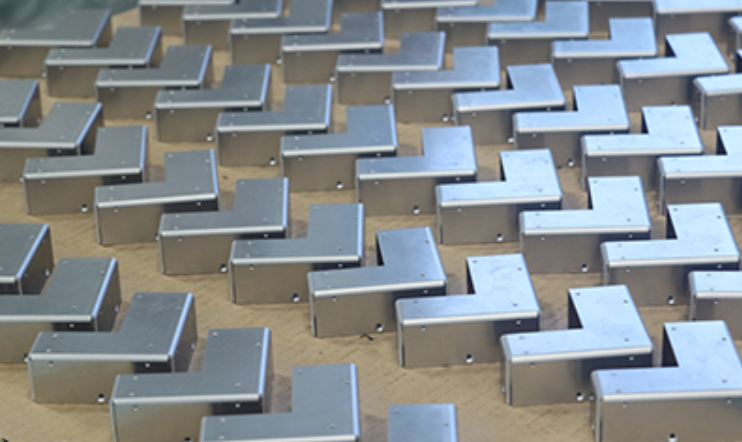
Decorative product design often requires a balance between visual appeal, material performance, and long-term usability. Designers and manufacturers continue to explore finishes that can add character to products while matching different interior styles. Among various surface treatments, antique bronze metal finish remains a popular choice for furniture, lighting products, and decorative components because of its warm appearance and traditional visual effect. Understanding the role of finishing techniques helps manufacturers create products with more design value.
The Design Appeal Behind Antique Bronze Finishes
The popularity of bronze-inspired surfaces comes from their ability to connect modern products with classic design elements. Unlike simple metallic colours, bronze finishes usually present layered tones and subtle texture changes, which can create a more refined appearance for decorative items.
In furniture design, bronze-style surfaces are often used on handles, frames, legs, and decorative structures. Lighting products may also use bronze tones to create a softer visual atmosphere. These applications allow designers to combine functional products with decorative details.
The demand for customized appearance has encouraged manufacturers to pay more attention to surface technologies. Honpe provides CNC precision machining services that support the production of decorative parts requiring accurate structures before surface treatment. This combination helps designers evaluate both product shape and final appearance during development.
How Surface Treatment Supports Decorative Manufacturing
Surface treatment plays an important role after machining because it affects how a product looks and feels. Different finishing methods can change the colour, texture, and visual depth of metal components. For decorative products, these details influence the overall design effect.
A suitable metal finishing process needs to match the material type, product purpose, and expected appearance. For example, furniture hardware may require a durable surface for daily use, while decorative models may focus more on texture and visual presentation.
Manufacturers usually need to consider several factors before selecting a finishing method. These include material compatibility, processing conditions, production volume, and design requirements. A proper finishing plan can help maintain consistency between prototype samples and final products.
Applications in Furniture and Decorative Components
Furniture manufacturers often use metal components to improve product structure and appearance. Metal frames, connectors, handles, and decorative accessories need accurate dimensions and suitable surface treatment to match the overall design concept.
The use of bronze-inspired finishes can bring a vintage feeling to modern furniture designs. It is commonly seen in products that combine industrial, classic, or luxury-inspired styles. Designers can use these finishes to create visual contrast between metal elements and materials such as wood, glass, or fabric.
For decorative components, machining accuracy is also important because small parts can influence the final assembly quality. Honpe combines CNC machining experience with various processing capabilities to support projects that require detailed prototypes and customized product structures.
The Role of Prototyping Before Final Production
Before decorative products enter mass production, prototypes allow designers and engineers to check appearance, structure, and manufacturing feasibility. This stage helps identify possible improvements before larger production investment begins.
For products using complex surface designs, prototype evaluation is especially useful. Manufacturers can review whether the selected finish matches the original concept and whether the surface effect meets customer expectations.
A complete development process often involves cooperation between designers, engineers, and manufacturing teams. Honpe has a research and development centre that supports communication during prototype projects. Their experience in prototype manufacturing helps industrial clients review product details before moving toward production.
Combining Craftsmanship with Modern Manufacturing Methods
Although modern manufacturing relies on advanced equipment, craftsmanship remains valuable for decorative product development. Some designs require manual refinement to achieve specific surface effects that cannot be fully evaluated through digital models alone.
Hand finishing techniques can help improve prototype appearance, especially for products where visual details are important. Skilled technicians can refine surfaces, adjust textures, and support appearance reviews during development stages.
Honpe has experience combining CNC machining with manual prototype finishing methods. They also operate a dedicated leather and protective cover processing area, which supports projects involving different material combinations. These capabilities provide more options for companies developing decorative products.
Why Metal Finishing Matters for Product Value
A decorative product is influenced not only by its shape but also by the quality of its surface appearance. The right finishing method can improve visual consistency and help products achieve the intended design style.
In industrial manufacturing, metal finishing is not only a cosmetic process. It also involves technical considerations such as surface preparation, process control, and compatibility with the final application. These factors are important for manufacturers working on furniture, lighting, and decorative hardware projects.
Companies with international product development experience often need manufacturing partners that understand both engineering requirements and design expectations. Honpe works with customers from different industries and provides support from prototype production to customized processing.
Manufacturing Support for Decorative Product Development
As decorative product markets continue to develop, manufacturers need solutions that connect creative ideas with practical production methods. A suitable partner can help companies manage machining accuracy, surface requirements, and prototype evaluation during product development.
For businesses exploring decorative metal products, selecting the right manufacturing approach is an important part of project planning. Antique bronze metal finish represents a design option that combines traditional visual features with modern manufacturing possibilities.
By integrating CNC machining, surface treatment knowledge, prototype support, and customized processing capabilities, Honpe helps industrial customers develop decorative products with detailed structures and specific appearance requirements. Their approach shows how manufacturing expertise can support the transition from design concepts to finished products.
