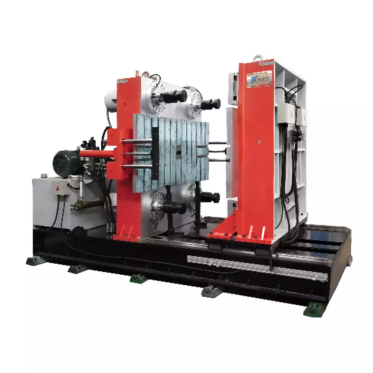
Deploying heavy industrial hardware requires strict adherence to international safety, environmental, and mechanical manufacturing protocols. For high-volume factories processing technical elastomers, compliance ensures smooth facility integration and protects workforce safety.
Navigating these framework mandates protects your capital investment from costly modern operational liabilities. A certified horizontal rubber injection molding machine satisfies rigorous international benchmarks, allowing seamless cross-border supply chain movement.
Global markets demand that production equipment adhere to specialized engineering guidelines before deployment on factory floors. Understanding these regulatory structures allows operations to avoid severe non-compliance penalties, operational delays, and unexpected production line adjustments.
Fundamental Safety and Machine Guarding Compliance
Primary industrial manufacturing safety rules focus tightly on mechanical operational area protection. A horizontal rubber injection molding machine presents specific physical trapping points along the continuous travel path of the heavy moving platen.
To mitigate these operational floor risks, international EN ISO 20430 standards dictate extensive machine guarding. An advanced injection molding machine horizontal layout incorporates specialized multi-stage safety interlocks on the primary gate.
These electrical, hydraulic, and mechanical backups stop all forward clamping action instantly if opened. Advanced platforms engineered by HWAYI build these safety loops directly into their premium automated machinery frames.
This structural safeguarding protects workers while maintaining fast cycle times on busy production floors. It also minimizes operational liability risks for tire bladder and heavy rubber track facilities.
Ensuring that every mechanical component satisfies regional workplace safety acts minimizes the risk of catastrophic failure. This continuous compliance preserves asset life and helps factories avoid costly legal liabilities.
Thermal Limits and Toxic Outgassing Ventilation Controls
Processing complex automotive seals or dense aerospace gaskets releases volatile organic compounds during curing. Regulatory frameworks like OSHA and European CE mandates require dedicated airborne containment strategies.
Furthermore, an injection molding machine horizontal barrel section must feature adequate thermal insulation to prevent severe operator skin burns. If heating components lack proper shielding, they violate fundamental factory safety audit guidelines.
To meet these tough environmental requirements, modern equipment utilizes advanced water-cooled jacket designs. This precise thermal insulation layer lowers external machine temperatures and cuts energy loss significantly.
Industrial operators benefit from lower ambient factory heat loads, which reduces total cooling energy expenditures. Implementing precise thermal containment boundaries protects sensitive nearby electronic control circuits from thermal degradation.
This meticulous design approach safeguards vulnerable machine operators while boosting overall thermal process consistency. The stable internal environment improves elastomeric cross-linking and prevents premature curing failures.
High-Voltage Performance and Power Industry Mandates
Manufacturing massive composite insulators, hollow core bushings, and cable joints requires specialized electrical infrastructure tracking. Equipment deployed within the power transmission sector must follow strict IEC standards.
These precision standards govern insulation performance and current protection for high-voltage operations up to 1000 kV. Any minor pressure variation can cause devastating internal air pockets inside the silicone matrix.
An optimized HWAYI horizontal system incorporates highly precise liquid silicone rubber dosing and pumping technology. This specialized control configuration meets the rigorous quality repeatability requirements of global energy grids.
Maintaining complete chemical uniformity throughout high-pressure cycles protects heavy-duty components from premature electrical breakdown. Regulatory audits demand detailed parameter logging to prove that each batch undergoes identical, consistent manufacturing profiles.
This rigorous tracking minimizes substandard components from entering critical power transmission lines. Industrial operators can confidently supply Tier-1 energy contractors by maintaining these verified production baselines.
Industrial Noise Emission and Occupational Health Standards
Heavy manufacturing zones must control ambient factory noise levels to protect long-term operator hearing health. Traditional high-capacity hydraulic power units often exceed maximum allowable decibel thresholds during injection phases.
International workplace regulations demand that machinery manufacturers lower total acoustic energy output. Modern servo-driven hydraulic pump configurations drastically reduce operating noise compared to older constant-delivery hardware.
By utilizing advanced servo technology, premium horizontal setups easily maintain quiet operational metrics. This compliance creates a safer workplace environment and reduces long-term worker fatigue during extended shifts.
Lowering acoustic impact allows factories to maintain longer operating shifts without violating regional residential noise boundaries. This operational flexibility allows companies to maximize capital utilization and increase overall profitability.
Additionally, quiet machinery operation simplifies manual quality inspection routines by allowing workers to detect acoustic anomalies early. This proactive maintenance feature helps teams address mechanical wear before it triggers structural damage.
Material Efficiency and Waste Reduction Compliance
Modern environmental regulations focus heavily on industrial resource conservation and green factory initiatives. Processing elastomeric compounds generates scrap material during runner separation, which cannot be easily recycled.
Strict regional environmental protection acts pressure businesses to adopt zero-waste manufacturing models. Advanced manufacturing configurations minimize runner volume through optimized cold-runner blocks, directly improving material utilization rates.
This layout significantly reduces the environmental impact of raw polymer processing while lowering component production costs. Decreasing raw material consumption directly aligns heavy production facilities with international green compliance frameworks.
Furthermore, optimizing compound utilization prevents massive disposal surcharges associated with industrial vulcanized rubber byproducts. High-precision dosing controls minimize over-packing defects, ensuring that material consumption remains strictly bounded.
This focused process management allows high-volume manufacturing facilities to achieve sustained economic and regulatory success. It also strengthens corporate branding among environmentally conscious global buyers.
Strategic Capital Allocation and Future-Proof Procurement
Validating full regulatory compliance before signing a purchase contract protects industrial businesses from unexpected legal hurdles. Sourcing non-compliant production machinery leads to expensive field retrofits and project delays.
Choosing an established global machinery builder guarantees built-in compliance with ISO 9001 quality systems. This engineering rigor ensures that your new manufacturing equipment will pass local factory safety inspections.
Furthermore, certified machinery retains higher long-term market asset value across its lifecycle. Partnering with HWAYI provides the complete regulatory compliance documentation needed to scale precision molding lines safely.
Sustaining a fully compliant manufacturing floor strengthens international corporate credibility during high-tier supplier audits. This thorough systemic readiness helps businesses capture lucrative global component contracts ahead of less-prepared competitors.
Ultimately, compliant machinery engineering serves as a foundational pillar for sustainable, multi-national manufacturing success. Investing in certified horizontal systems protects corporate margins and guarantees continuous market accessibility.
