Modern defense infrastructure and commercial sectors rely heavily on continuous satellite positioning data for navigation, mapping, and timing synchronization across complex global networks. However, intentional radio frequency interference and deliberate spoofing attacks threaten mission-critical operations across multiple operational domains daily.
Standard single-element receivers fail to distinguish authentic signals from high-power noise sources in congested operational zones. Deploying specialized hardware solutions becomes mandatory to maintain absolute situational awareness under severe electronic warfare threats.
Electronic countermeasures can easily disrupt unprotected positioning receivers by broadcasting overwhelming signals on identical civilian or military frequencies worldwide. Military forces and civilian authorities now require advanced mitigation tools to safeguard navigation systems against sudden signal loss during active deployment.
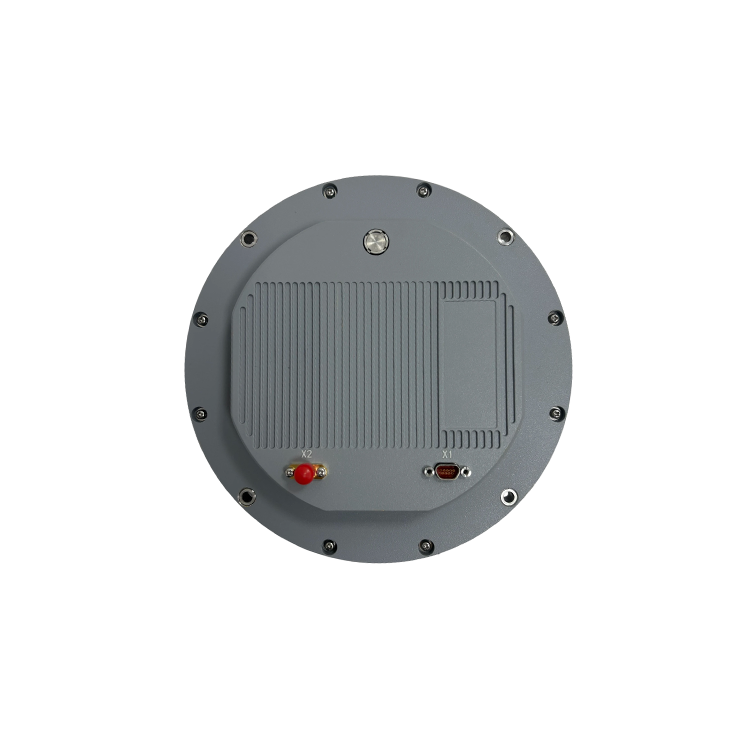
Engineers at Archimedes Innovation design sophisticated spatial processing arrays that dynamically create nulls toward interference sources without degrading satellite visibility. These robust multi-element systems form the operational backbone of modern defense electronics operating in hostile regions.
Unmanned Aerial Vehicles and Tactical Drone Operations
Unmanned aerial vehicles depend entirely on uninterrupted positioning, navigation, and timing data to execute complex autonomous flight missions successfully. Small tactical drones and large military reconnaissance aircraft operate in environments where malicious signal disruption is a constant hazard.
Integrating an anti-jamming GNSS antenna allows aerial platforms to maintain steady flight paths despite localized interference from ground transmitters. This hardware protection prevents catastrophic crashes and ensures precision targeting during critical intelligence-gathering operations across contested airspace.
Autonomous flight controllers require real-time mitigation mechanisms that respond to rapid changes in the electromagnetic spectrum within milliseconds. Multi-element spatial filtering protects aerial nodes from broadband and narrowband suppression signals originating from hostile emitters.
Maintaining a locked position enables unmanned systems to complete long-range missions without relying on vulnerable manual pilot intervention. Consequently, aerospace manufacturers incorporate resilient radio frequency filtering into every advanced airframe design from initial prototyping to operational production.
Military Ground and Tactical Combat Vehicles
Ground combat vehicles navigating complex terrain rely heavily on accurate positioning data for troop coordination and tactical asset tracking. Armored personnel carriers and mobile command units operate in high-threat zones where adversarial forces frequently deploy portable signal jammers.
Equipping these rugged combat platforms with an anti-jamming antenna ensures continuous operational capability under severe electromagnetic attack. Tactical commanders depend on this uninterrupted data stream to coordinate troop movements and execute precision maneuvers safely.
Vehicle integration demands compact, ruggedized hardware solutions capable of withstanding severe mechanical vibration, thermal stress, and moisture intrusion. Advanced engineering teams at Archimedes Innovation develop weather-sealed multi-element arrays designed specifically for harsh combat environments.
These high-performance modules seamlessly interface with legacy navigation receivers, minimizing downtime during military vehicle fleet upgrades. Armored fleets equipped with robust spatial filtering systems maintain tactical supremacy even when operating deep inside hostile territories.
Aerospace Navigation and Commercial Aviation Protection
Commercial aviation networks and defense transport aircraft require absolute positioning integrity to manage dense air traffic safely worldwide. Unintentional interference from ground-based telecommunications or deliberate electronic attacks can jeopardize flight safety during critical landing phases.
Aviation authorities require robust layers of safety protection to mitigate risks of catastrophic‑grade navigation failures along international commercial flight corridors. Advanced spatial‑processing arrays represent one technical approach that can shield cockpit avionics from external interference without impairing legitimate satellite‑signal reception.
Modern flight management systems utilize specialized radio frequency filters to detect anomalous signal patterns and isolate interference instantly. Integrating a high-performance anti-jamming GNSS antenna safeguards aircraft guidance computers against sophisticated spoofing techniques designed to alter flight paths.
Rigorous aerospace certification standards require extensive environmental testing to verify that mitigation hardware performs flawlessly under extreme altitudes. Protecting commercial transport fleets ensures global economic stability and passenger safety against evolving cyber-electronic threats.
Maritime Autonomy and Unmanned Surface Vessels
Maritime defense operations and autonomous shipping lanes face growing vulnerabilities as electronic interference spreads across coastal waters. Uncrewed surface vessels and naval destroyers rely on precise positioning for collision avoidance, automated docking, and strategic patrol routines.
Deploying an advanced anti-jamming antenna on marine vessels neutralizes regional jamming threats that attempt to blind navigation computers. Naval forces utilize these rugged maritime systems to secure critical supply lines and protect territorial waters effectively.
Salt spray, extreme humidity, and constant mechanical shock create exceptionally hostile operating conditions for marine electronics located on deck. Specialized manufacturing techniques ensure that positioning hardware resists corrosion while maintaining optimal phase stability across multi-frequency bands.
Visionary leadership at Archimedes Innovation drives continuous improvement in marine-grade spatial filtering architectures for autonomous fleets. Uncrewed maritime systems protected by intelligent interference mitigation maintain absolute positioning accuracy throughout extended deployments at sea.
Critical Infrastructure and Autonomous Ground Logistics
Smart cities and autonomous logistics networks increasingly rely on satellite timing synchronization for power grid management and automated freight distribution. Disruptions to timing signals can trigger widespread cascading failures across interconnected municipal services and financial transaction nodes.
Deploying hardened receiver arrays across fixed infrastructure installations protects vital urban systems against localized radio frequency attacks. Ensuring signal resilience guarantees uninterrupted economic activity and safeguards public safety in densely populated metropolitan areas.
Future defense paradigms and autonomous operational concepts will continue expanding reliance on resilient positioning, navigation, and timing hardware architectures. As electromagnetic warfare capabilities advance, maintaining uninterrupted satellite reception remains a paramount design criterion for system architects globally.
Strategic investments in cutting-edge mitigation technologies ensure long-term mission success across aerospace, maritime, and terrestrial domains. Organizations prioritizing robust electronic protection will successfully navigate the complexities of increasingly contested operational environments worldwide, safeguarding critical assets for future generations.
