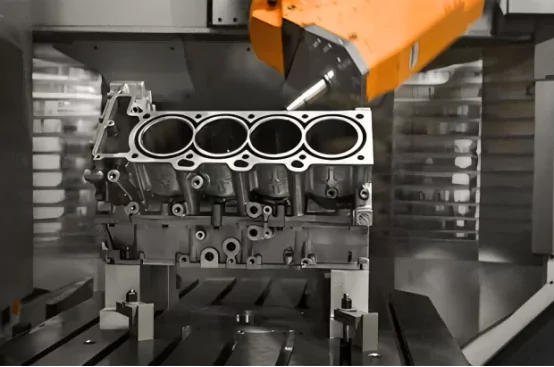
Modern manufacturing demands components that exhibit flawless accuracy and structural integrity to perform under intense operational stress. Industrial sectors depend heavily on subtractive fabrication to turn raw material blocks into complex geometries with microscopic tolerances. For enterprises navigating strict regulatory frameworks, selecting a qualified CNC machine parts manufacturer is an essential step in securing reliable supply chains.
Selecting the right production methodology ensures that final components align with original engineering specifications without unexpected field failures. Computer numerical control technology replaces manual variance with automated precision, translating digital blueprints into physical assets with extreme repeatability. This digital-to-physical workflow minimizes material waste while ensuring that structural properties remain uniform across every production batch.
Achieving Exceptional Dimensional Accuracy and Geometric Tolerances
Subtractive computer-controlled fabrication achieves a level of precision that conventional molding or additive techniques simply cannot replicate. Machine tools follow pre-programmed digital paths to slice away material, working consistently within tolerances measured in micrometers. This precision is vital for mating surfaces, internal threads, and complex mechanical assemblies.
Consistent dimensional control eliminates the variability often introduced by manual labor or shifting mold temperatures. Every cut, bore, and milled face mirrors the original CAD model with absolute fidelity across hundreds of units. Such accuracy prevents assembly bottlenecks during downstream production phases.
Unmatched Material Versatility Across Metals and Plastics
Engineers can utilize an extensive spectrum of raw materials ranging from lightweight aerospace aluminum to durable engineering-grade plastics. Unlike alternative methods that limit material choices due to thermal processing constraints, machining works on solid stock directly. This means the inherent physical properties of the selected material are fully preserved.
Metals: Aluminum, Stainless Steel, Titanium, Brass, Copper
Plastics: PEEK, Nylon, POM (Acetal), Polycarbonate, ABS
Whether an application demands the thermal resistance of specialized alloys or the electrical insulation of advanced polymers, the process adapts seamlessly. The ability to switch materials without altering the core tooling setup offers immense flexibility during engineering validation.
Structural Integrity Through Solid Block Material Processing
Components produced via additive manufacturing or casting can sometimes suffer from internal voids, porosity, or weak layer bonds. Subtractive machining avoids these structural vulnerabilities entirely by carving the final shape directly out of a solid, homogeneous block. This ensures maximum mechanical strength and fatigue resistance.
For heavy-duty industrial components, this structural homogeneity prevents premature fracturing under high pressure or rotational force. The uniform density allows engineers to accurately calculate stress thresholds and lifespans using standard finite element analysis. Consequently, the finished components offer predictable performance in hazardous environments.
Rapid Transition from Digital Prototypes to Scalable Production
The digital nature of modern machining streamlines the workflow between early-stage design concepts and full-scale factory rollouts. Modifications to a component geometry require updates to a software file rather than rebuilding expensive physical tooling. This agility shortens development cycles significantly.
Once the initial prototype passes inspection, the exact same digital instructions guide the high-volume production machinery. This seamless scalability removes the friction typically associated with shifting a product from development to commercial manufacturing. It allows businesses to react quickly to changing market demands.
Intricate Geometric Capabilities Without Specialized Mold Tooling
Advanced multi-axis machining centers can manipulate cutting tools along three, four, or five independent axes simultaneously. This freedom of movement allows for the creation of complex pockets, deep cavities, and intricate organic curves. Such geometries would otherwise require multiple separate components or expensive multi-part molds.
Consolidating multiple features into a single machined component reduces assembly complexity, minimizes potential leak points, and lowers overall weight. Designers can optimize part performance based purely on functional needs rather than the limitations of traditional manufacturing methods.
Superior Surface Finishes and Post Processing Compatibility
Parts emerging from computer-controlled cutting tools possess excellent native surface finishes, characterized by minimal roughness and crisp edges. This clean baseline reduces the need for aggressive secondary operations to achieve the necessary aesthetic or functional texture. The smooth finish also improves the sealing capabilities of gaskets and O-rings.
Ensuring Consistent Repeatability for Highly Regulated Sectors
Medical devices, aerospace systems, and automotive drivetrains operate under strict regulatory oversight where minor variations can cause system failures. Automated machining delivers identical results regardless of whether the machine runs the first part or the ten-thousandth part. This consistency simplifies the compliance and auditing processes.
Comprehensive Industrial Solutions for Modern Supply Chains
For intricate component fabrication, partnering with an experienced CNC parts manufacturer is essential. APT‑Mold offers comprehensive custom manufacturing solutions that streamline the product development cycle from prototype to final delivery. The facility integrates advanced machinery to efficiently execute complex milling, turning, and mill-turn operations.
The technical team at APT-Mold reviews engineering drawings within 24 hours, offering crucial feedback on design geometry to optimize production efficiency. Utilizing over 60 distinct engineering plastics and metals, the workshop easily accommodates rapid prototyping needs as well as large-scale production runs. Strict adherence to ISO 9001:2015 guidelines guarantees that all finished components fulfill performance goals.
Conclusion
Precision machining remains an indispensable asset for modern product development, offering unmatched material flexibility, tight tolerances, and structural reliability. By removing manufacturing variables and supporting fast design iterations, the technology safeguards product quality while accelerating time-to-market. Investing in high-quality machining solutions ensures that engineering concepts translate into durable, high-performing physical realities.
