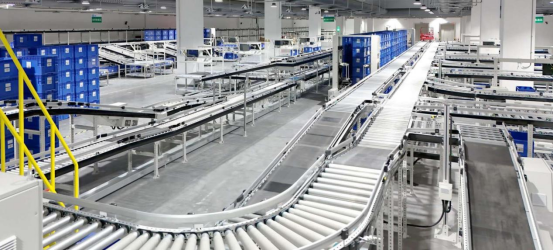
Modern logistics operations are evolving rapidly as customer expectations continue to increase, where speed and accuracy have become the primary benchmarks for success. Businesses that operate distribution centers or manufacturing facilities often find that the efficiency of their internal material handling processes dictates their overall competitive edge. As the pressure to optimize throughput increases, warehouse operators are frequently faced with the decision of how to modernize or expand their handling infrastructure. Choosing the right hardware is a significant investment that impacts not only daily productivity but also the ability of a firm to adapt to future market fluctuations and business growth. This process requires a careful balancing of current operational needs, technological capabilities, and the long-term support provided by the chosen vendor.
Assessing Core Operational Needs
Before evaluating specific hardware solutions, it is necessary to conduct a comprehensive assessment of the existing operational environment. This involves mapping the flow of materials through the facility to identify potential bottlenecks and areas where throughput can be enhanced. It is important to consider the physical characteristics of the products being handled, such as their dimensions, weight, and fragility, as these factors directly influence the design specifications of the conveyor equipment. Beyond the physical items, operators should analyze the spatial constraints of the warehouse to ensure that the chosen layout maximizes floor space while maintaining a logical path for inventory movement. By establishing a clear baseline of requirements, decision-makers can better evaluate which technologies offer the most relevant utility, rather than simply opting for standard solutions that may not fully address the specific challenges of their unique logistics environment.
Analyzing Technical Performance and Reliability
When looking at the technical aspects of material handling equipment, durability and energy efficiency are critical factors. Modern logistics environments require systems that can withstand high-intensity use while consuming minimal power. It is advisable to look for equipment that utilizes advanced drives and smart controls, as these components contribute to both operational precision and reduced energy expenditures. Reliability is another key metric, as downtime can lead to significant disruptions in the supply chain. Systems that are designed with modularity in mind often perform well, as they allow for easier maintenance and faster adjustments should operational requirements change. Furthermore, the ability of a system to provide real-time diagnostic information can be advantageous, as this allows maintenance teams to identify and resolve potential issues before they escalate into major problems that halt production lines.
Selecting Experienced Manufacturing Partners
The process of procuring new equipment involves more than just selecting machinery, as it requires identifying a capable partner who understands the intricacies of industrial logistics. When evaluating potential suppliers, businesses often find value in consulting with experienced automated conveyor systems manufacturers that possess a proven track record in the industry. These partners bring extensive expertise to the table, offering guidance on system design, layout optimization, and the selection of appropriate components that align with specific business goals. An effective manufacturing partner acts as a collaborative extension of the internal team, helping to identify potential challenges early in the planning phase and implementing strategies that ensure a smooth deployment. This relationship is often characterized by a shared commitment to achieving operational excellence, where the manufacturer provides the technical support necessary to navigate the complexities of facility upgrades.
Integrating Advanced Software Solutions
A conveyor system is only as effective as the software that manages it. Selecting a high-quality conveyor system for warehouse environments requires deep consideration of how the physical hardware communicates with existing warehouse management platforms. The control software functions as the intelligence layer of the operation, coordinating the movement of goods and ensuring that orders are processed with high levels of accuracy. When hardware and software are properly integrated, businesses gain the ability to perform automated tracking, real-time reporting, and precise sorting. This level of connectivity transforms the warehouse into an connected warehouse environment where data drives decision-making, ensuring that every product movement is optimized for speed and efficiency. Such integration is a critical component of modern logistics, allowing facilities to maintain high service levels even during peak demand periods.
Prioritizing Sustainable Growth and Innovation
The ability to adapt is a hallmark of a resilient business, and the infrastructure chosen today should be capable of supporting the future operational requirements. When considering long-term investments, it is beneficial to focus on solutions that allow for future scalability. This might involve choosing modular hardware that can be expanded or reconfigured without requiring a complete overhaul of the existing system. BlueSword combines advanced engineering capabilities with intelligent software platforms to develop integrated warehouse automation solutions. providing a cohesive approach that addresses the complexities of modern warehousing. By leveraging a strong foundation in research and development, BlueSword develops systems that are not only efficient but also flexible enough to evolve alongside industry trends. Prioritizing partners that offer ongoing technical support and a commitment to innovation ensures that the logistics backbone remains robust and capable of supporting sustained success for years to come.
