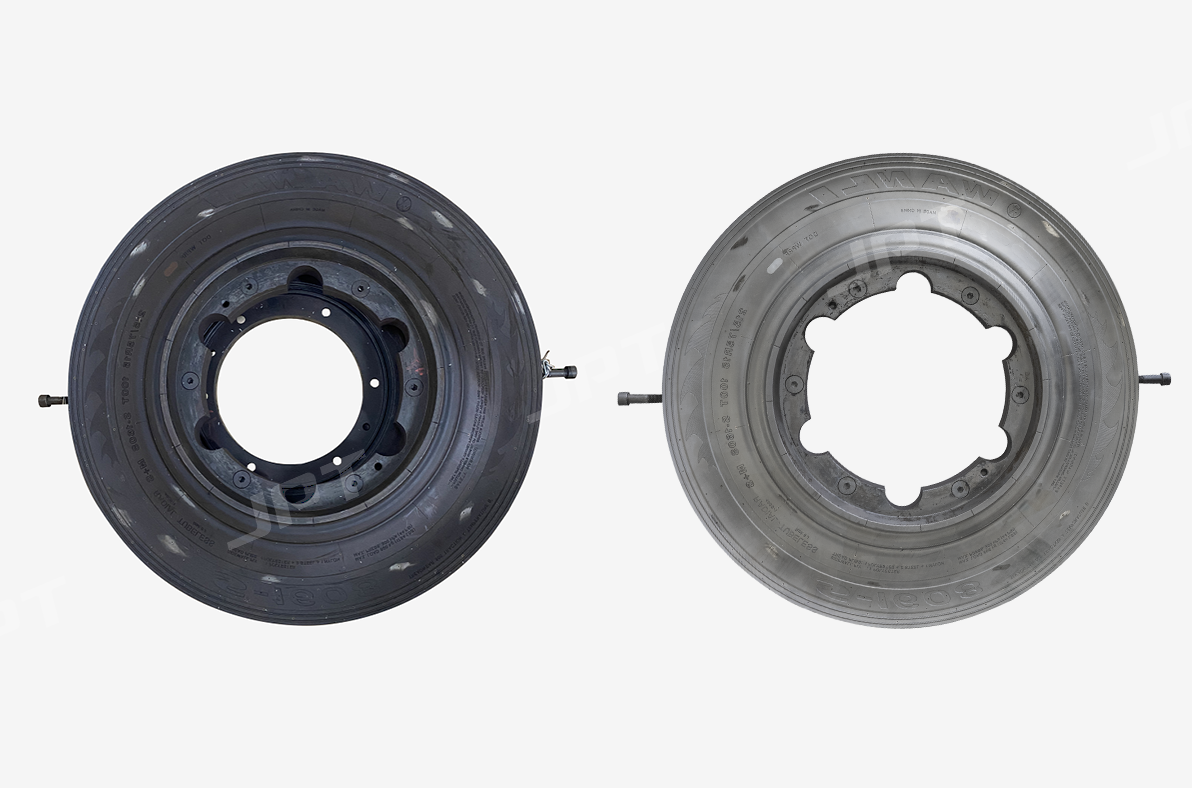
In the realm of industrial cleaning, laser cleaning has emerged as an innovative technique, especially for maintaining complex machinery molds. This cleaning method employs non-contact and high-precision technology to efficiently eliminate residues from surfaces, ensuring neither dimensional accuracy nor surface integrity is compromised. As industries increasingly adopt this approach, the question of which power level to choose arises—100W or 200W laser cleaning machines? Understanding the distinctions and applications of each can greatly influence operational efficiency and maintenance strategies.
Understanding Laser Power Output
The 100W laser cleaning machine is often viewed as a versatile and cost-effective solution for various cleaning tasks. It provides adequate power for surface cleaning, making it ideal for smaller components and less dense materials. This power level is typically sufficient to remove light contaminants such as dust and oil while ensuring minimal surface impact. Industries dealing with delicate components, like those in the automotive sector, might find that a 100W model meets their needs well without risking damage.
In contrast, the 200W laser cleaning machine offers enhanced power for more intensive cleaning applications. It’s particularly applicable in industries requiring thorough removal of robust contaminants such as carbon deposits or intricate mold residues. High-powered machines are better suited for industrial environments where efficiency and speed are critical. Therefore, facilities managing heavy-duty die-casting or plastic molds may gravitate toward the higher wattage option.
Application Considerations
The choice between a 100W and a 200W machine depends significantly on specific cleaning requirements. For example, smaller operations, automotive workshops, or galleries, may find a 100W laser cleaning machine sufficient due to their manageable cleaning tasks and lower volume. In contrast, manufacturing plants with larger-scale operations demand more powerful solutions that can handle extensive cleaning in less time, thus justifying the investment in a 200W laser cleaning machine.
This diversity in needs highlights the importance of assessing not only the power output but also the intended application and material characteristics. Each facility must weigh its priorities—whether that leans more towards fine-detail cleanliness or rapid consistency across larger parts.
Cost Efficiency and Long-Term Benefits
Understanding the upfront and operational costs associated with laser cleaning power also informs the decision-making process. A 100W laser cleaning machine may appear more economical at first glance, but if a business frequently encounters more challenging cleaning tasks, the efficiency of a 200W model could result in greater long-term cost savings. Less downtime and reduced labor costs associated with quicker cleaning cycles can outweigh the initial investment.
Additionally, advanced technology incorporated into higher-wattage models often leads to an extended service life of both the cleaning equipment and the molds being maintained. This proves essential for ensuring operational sustainability and minimizing disruptions in production.
Conclusion
Choosing between a 100W and a 200W laser cleaning machine involves careful consideration of the specific applications, material demands, and long-term cost efficiencies. Properly evaluating the cleaning requirements and operational capacity can lead to informed decisions that ultimately enhance productivity and mold service longevity. As JPT continue to embrace laser cleaning technology, understanding these variables will contribute significantly to effective maintenance strategies.
