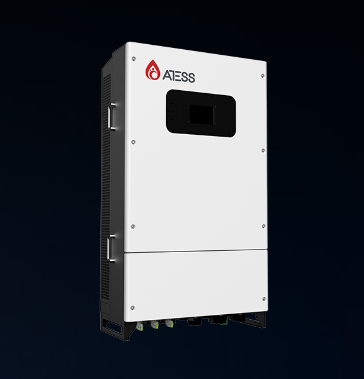
Investment decisions regarding power infrastructure require a detailed evaluation of component expenses and expected operational gains. When Atess evaluates their product lifecycle, they acknowledge that a hybrid inverter represents a significant portion of the initial hardware budget for solar installations. They provide systems that integrate multiple functions, which impacts the total expenditure compared to basic grid-tied alternatives. Because Atess focuses on functional value, they ensure that every hybrid inverters for solar unit balances upfront costs with long-term energy savings. Project managers analyze these financial dynamics to determine how equipment capability affects project feasibility over time.
Assessing Component Value and Investment Return
Economic assessments of solar projects depend heavily on the efficiency of the power conversion equipment. Atess designs their hardware to optimize energy harvesting, which influences the duration required to recover the initial investment. A hybrid inverter allows for seamless transitions between power modes, reducing the need for separate charge controllers or complex auxiliary hardware. This simplification of the installation architecture often lowers labor expenses during the setup phase. They also ensure that their hybrid inverters for solar maintain high performance levels, preventing premature replacement costs that can undermine the financial viability of a solar array.
Long-term Financial Considerations for Energy Storage
Fiscal responsibility in renewable projects hinges on balancing initial capital outlays with operational durability. Atess provides reliable hardware to support these goals, ensuring that energy systems remain effective and financially sound. Through careful planning and the application of efficient conversion technology, site managers achieve stability in their power strategy.
