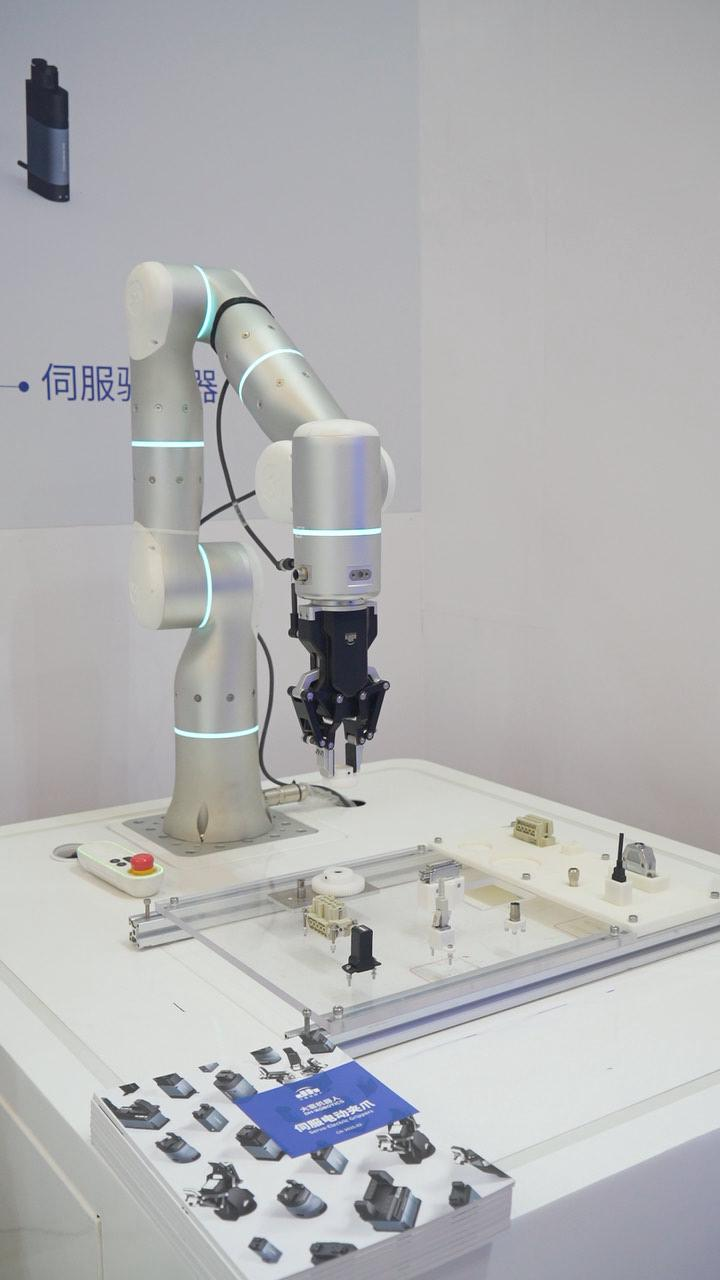
As industries continue to embrace advanced automation, adaptive gripper technology is rapidly evolving to meet the diverse demands of modern manufacturing. Adaptive grippers are at the forefront of this transformation, offering the flexibility and efficiency that businesses require to remain competitive. The technology not only enhances productivity but also enables seamless interaction between robots and their environment. This article examines key trends shaping the future of adaptive grippers and their role in smart automation.
Enhanced Flexibility and Versatility
One of the most significant trends in the adaptive gripper market is the emphasis on flexibility and versatility. Companies are increasingly recognizing the need for grippers that can handle a wide range of workpieces, adapting to different shapes and sizes effortlessly. The versatility offered by modern adaptive grippers allows manufacturers to streamline processes without the need for constant reconfiguration.
The AG Series from DH-Robotics exemplifies this trend with its self-developed linkage-type design. Available in two-finger and three-finger configurations, the AG Series enables precise adjustments tailored to various workpiece geometries. This adaptability not only simplifies operations but also maximizes efficiency in collaborative robotics environments, where robots share space with human workers and require streamlined, flexible gripping solutions.
Seamless Integration with Smart Automation
The evolution of adaptive grippers is closely tied to the rise of smart automation systems. Adaptive grippers are no longer standalone components; they now serve as integral elements within a broader automation ecosystem. This trend towards interconnectedness means that adaptive grippers can communicate with other devices and systems to optimize performance.
Implementing adaptive grippers in smart automation workflows can lead to real-time data exchange and feedback loops, enhancing overall operational efficiency. For instance, advanced sensors integrated into these grippers enable them to learn from their environment and make adjustments on-the-fly, ensuring optimal interaction with various workpieces. These features will define the next generation of adaptive grippers, focusing not only on mechanical efficiency but also on smart decision-making capabilities.
Sustainable and Cost-effective Solutions
As industries push for sustainability, adaptive gripper technology is also evolving to incorporate eco-friendly practices. Manufacturers are increasingly seeking solutions that minimize environmental impact while maximizing productivity. Adaptive grippers designed for energy efficiency, along with durable materials that reduce waste, are becoming more prevalent.
DH-Robotics’ AG Series showcases this balance between performance and sustainability. With its Plug & Play installation, the AG Series significantly simplifies setup and minimizes wasted resources during installation processes. This approach not only lowers costs but also enables faster implementation, helping businesses stay competitive in an ever-changing market landscape.
Paving the Way for the Future of Automation
The future of adaptive gripper technology is bright, with advancements driven by flexibility, seamless integration, and sustainability. As businesses continue to adopt smart automation strategies, adaptive grippers will play a pivotal role in enhancing operational efficiency and achieving greater productivity.
Brands like DH-Robotics are leading the way with innovative solutions such as the AG Series, recognized for their superior design and functional excellence, which even earned the prestigious Red Dot Award in 2021. Companies looking to leverage cutting-edge adaptive grippers will find that investing in such technologies can significantly enhance their automation processes, paving the way for a highly efficient and competitive future.
