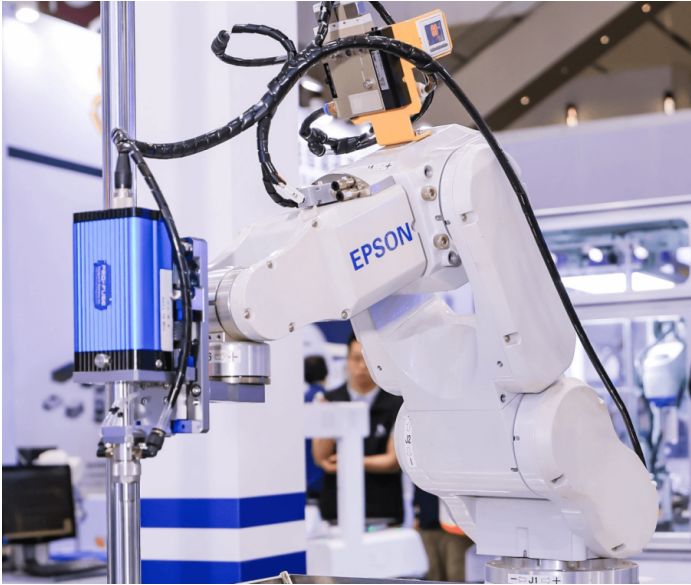
The shift toward autonomous production in the metalworking sector is often mischaracterized as a simple matter of adding robotic arms to a factory floor. However, true precision machining automation involves far more than material handling; it requires the seamless integration of real-time compensation, thermal stability management, and rigid process control. For B2B stakeholders, the primary obstacle is maintaining sub-micron tolerances while removing the human operator from the loop. ITES China serves as a specialized venue where these machining-specific hurdles are addressed, showcasing hardware that bridges the gap between raw mechanical force and closed-loop digital feedback systems.
Solving the Stability Gap with Automated Machining Solutions
In high-precision environments, the primary enemy of automation is the lack of environmental and mechanical consistency. They highlight automated machining solutions that go beyond simple part loading to include automated tool-life management and in-process probing. By observing live demonstrations of 5-axis machining centers integrated with sensor-heavy robotic cells, technical teams can evaluate how systems handle tool wear compensation without manual intervention. This platform facilitates a deep dive into how machine tool accessories and high-end functional components—such as motorized spindles and precision linear guides—interact with automation software to maintain a constant CPK (Process Capability Index) even during “lights-out” manufacturing shifts.
Closed-Loop Systems and Real-Time Tolerance Control
Unlike general robotics, which may prioritize speed and reach, precision machining automation is defined by the ability to react to the minute physical changes that occur during metal removal. The event showcases industrial control automation that supports active vibration damping and thermal error compensation. Throughout the four-day period, technical forums explore how machine vision units are now being used not just for sorting, but for high-resolution surface finish inspection and chip-breaking monitoring. This level of technical synergy allows engineers to move away from reactive troubleshooting and toward a predictive maintenance model, ensuring that non-standard automation setups remain calibrated to the specific rigors of hard-metal cutting.
Bridging Technical Expertise and Supply Chain Resilience
The transition to a highly automated shop floor requires a robust support network of specialized suppliers who understand the nuances of the machining process. They provide an offline exchange platform where original equipment manufacturers of power transmission technologies and specialized toolings can collaborate with automation integrators. By utilizing curated visit group services, procurement officers can find partners who specialize in the unique requirements of the medical, aerospace, and semiconductor industries. This collaborative environment is bolstered by over 120 new product release activities, focusing on the latest in factory smart logistics specifically designed for heavy-duty metal parts and specialized CNC equipment.
Establishing a Data-Driven Production Roadmap
Developing an autonomous machining strategy requires a balance of high-performance hardware and sophisticated data feedback loops. They empower manufacturers to refine this balance by offering a comprehensive look at the latest market dynamics and technical shifts in the metalworking sector. By staying active within the ITES China ecosystem, businesses gain access to the technical insights needed to solve the specific bottlenecks of automated tool changes and precision part alignment. As the industry moves toward deeper digitalization, the strategic connections and verified technical data secured at these professional gatherings will remain the most reliable foundation for achieving high-precision industrial leadership.
