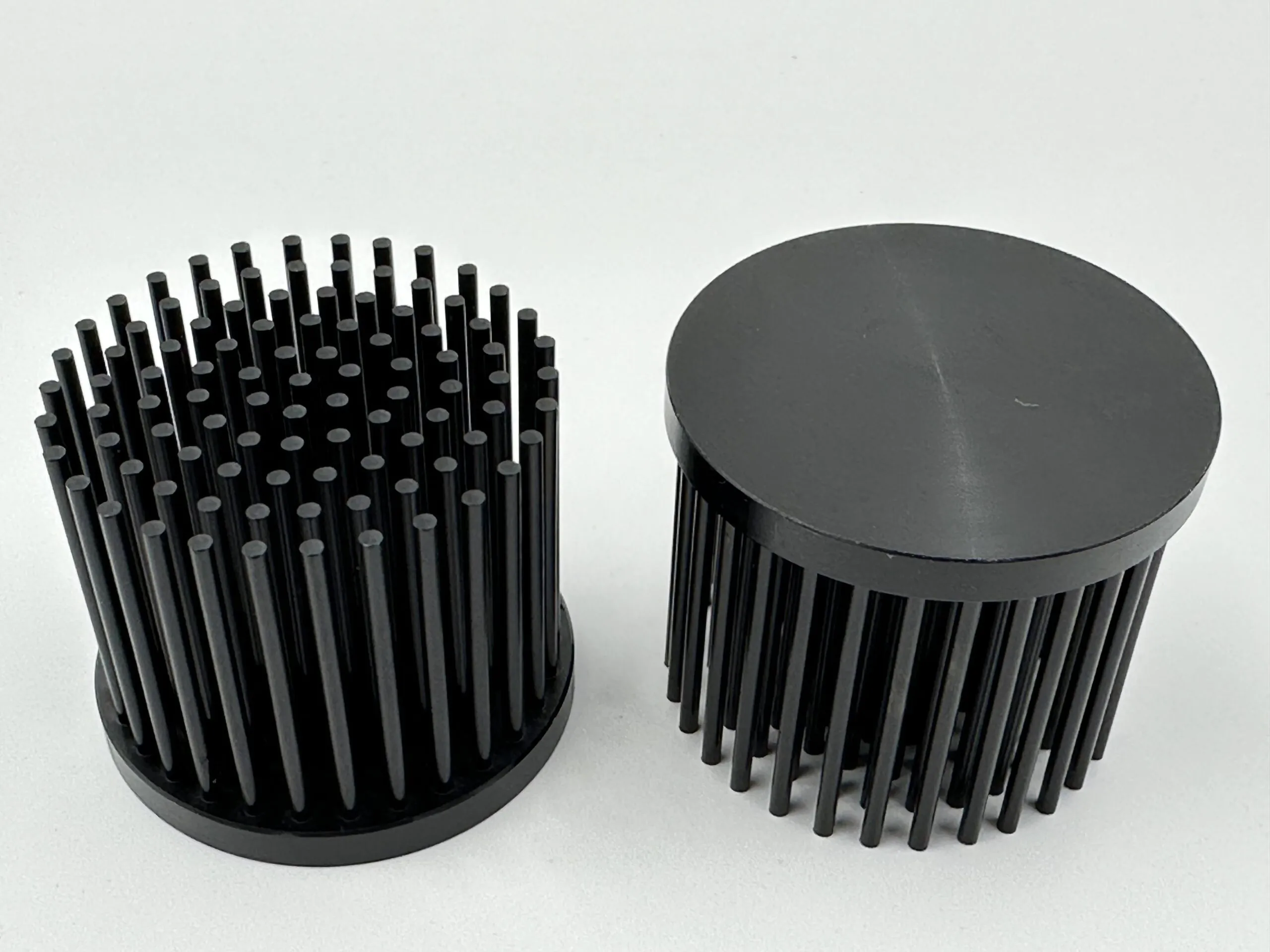
A heat sink is a passive component designed to transfer heat from electronic devices to the surrounding air, helping equipment operate within a safe temperature range. In many modern applications, engineers rely on a reliable heat sink supplier to ensure that core components such as processors, power modules, or LED drivers maintain stable performance. They choose materials with strong thermal conductivity, such as aluminum or copper, and combine structural designs—fins, baseplates, or cold-forged sections—to maximize surface area for heat exchange. When discussing what a heat sink is, it is essentially a bridge that moves heat away from sensitive parts, ensuring product longevity and functional stability. This principle holds true whether the device is a compact consumer module or a large industrial unit.
In practical terms, the concept revolves around airflow, thermal resistance, and mechanical compatibility. A heat sink needs to match the equipment layout and its cooling demands, which is why customized solutions appear frequently during product development. This is where companies like Dingmetal come into the conversation, as they provide design-oriented support when clients must balance thermal efficiency, space limitations, and assembly requirements.
How Customization Improves Heat Sink Performance
Knowing “what is a heat sink” also means understanding why customization is often necessary. Standard designs can handle conventional loads, but specialized equipment—telecom boards, EV control units, storage servers, or industrial automation modules—usually requires tailored structures. Many engineers turn to a custom heatsink when standard models cannot meet cooling targets or when compact device layouts require unique geometries. The goal is not only to dissipate heat efficiently but also to integrate the sink properly with mechanical frames, fastening points, and airflow paths.
They often evaluate factors such as extrusion profiles, machining precision, and the thermal interface between device and sink. During this phase, a dependable heat sink supplier provides technical insights that help avoid overheating, material incompatibilities, or layout conflicts. For example, when designing a custom heatsink, engineers may adjust fin spacing, base thickness, or mounting positions to achieve consistent temperature control under real operating conditions.
Conclusion: Key Takeaways About Heat Sink Principles
A clear understanding of what a heat sink is offers valuable perspective on why this component remains fundamental in a wide range of modern electronic and mechanical systems. At its core, a heat sink provides a controlled path for excess heat to move away from sensitive parts by using conductive metals and structural features designed to increase surface exposure. Its performance depends on several practical factors, including airflow patterns inside the equipment, the placement and mounting method, and the expected thermal load of the device during continuous operation. These considerations determine whether a standard form is suitable or if the application requires a tailored approach.
When equipment demands tighter temperature control, limited installation space, or specialized geometries, customization becomes an important part of the engineering process. In such cases, professionals turn to a dependable heat sink supplier who can evaluate performance goals, mechanical constraints, and long-term operating conditions. Through coordinated design support and disciplined manufacturing, providers like Dingmetal help transform initial concepts into components that maintain consistent heat distribution and system stability. Their involvement—from reviewing layouts to achieving precise machining—ensures that the final heat sink aligns with real-world application needs. By combining practical thermal principles with reliable production, these solutions contribute to durable, predictable, and thermally balanced performance across electronics, telecom, EV systems, LED lighting, and industrial equipment.
