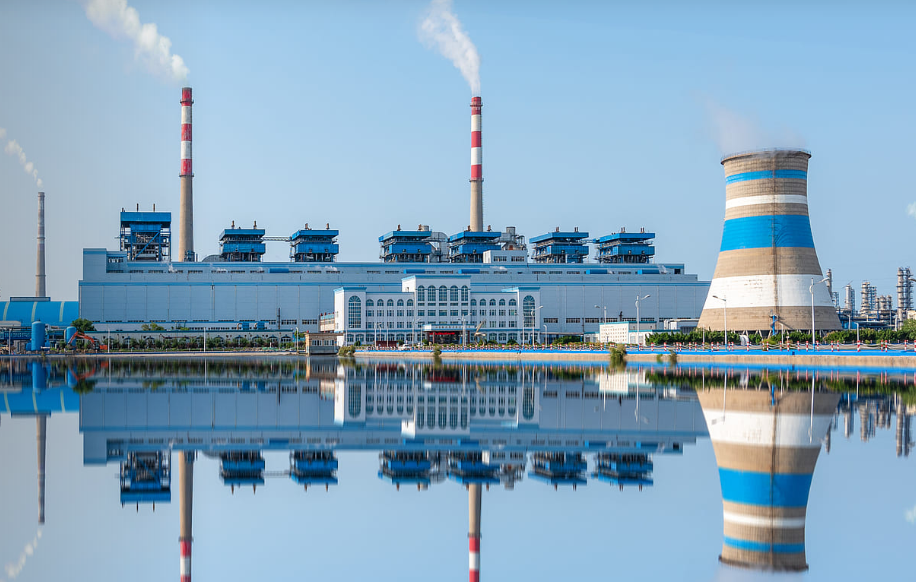
Industrial parks, characterized by high, complex, and often intermittent energy demands, require specialized power infrastructure that goes beyond simple grid connectivity. For B2B project managers, developers, and facility owners in this sector, the decision to invest in commercial energy storage systems (CESS) is a strategic one, aimed at achieving lower operational costs, high reliability, and sustainability compliance. Selecting the optimal solution involves a rigorous evaluation of factors that ensure the technology aligns precisely with the park’s operational profile and future growth.
Understanding the Industrial Load Profile and Capacity Needs
The fundamental consideration when selecting any commercial and industrial energy storage system is a deep analysis of the energy requirements. Industrial parks often have unique, “peaky” load profiles driven by heavy machinery, HVAC systems, or intermittent manufacturing processes, necessitating a bespoke storage solution.
Peak Demand and Economic Benefit: The CESS must be accurately sized to perform effective “peak shaving,” which reduces the maximum demand charge levied by the utility—often the largest component of an industrial electricity bill. The necessary power rating (kW) and energy capacity (kWh) must be calculated based on historical peak consumption and the desired duration of discharge. A miscalculation here can severely undermine the financial viability of the project. This economic analysis must precisely determine the system size needed to cover the peak period, which dictates the required duration—be it a 2-hour, 4-hour, or even longer-duration solution, based on the local utility’s rate structure.
Scalability for Future Growth: Industrial parks are dynamic environments. Facilities may expand, new tenants may arrive, or the park may adopt electric vehicle (EV) charging infrastructure, drastically altering the load profile. The chosen commercial energy storage systems must be modular and flexible enough to accommodate future increases in load without requiring a complete system overhaul. Solutions that use modular, high-capacity LFP cells, like those offered by HiTHIUM, allow for easier and more cost-effective capacity expansion as the industrial park grows, protecting the initial capital investment.
Technical Performance, Longevity, and Safety Certification
In a demanding industrial environment, compromising on technical quality or safety is unacceptable. The B2B market requires proof of long-term reliability, minimal maintenance, and compliance with stringent international safety standards.
Longevity and LCOS (Levelized Cost of Storage): The economic viability of CESS is ultimately defined by the battery’s lifespan, which is measured in cycle life. Industrial applications often involve high-throughput cycling, making long life non-negotiable. Solutions utilizing specialized Lithium Iron Phosphate (LFP) cells, such as the ESS Cell 314Ah from HiTHIUM, which boasts a nominal cycle life of greater than or equal to 13,000, offer a far lower LCOS over the system’s operational life. This superior endurance ensures that the system delivers its financial benefits over a greater number of years.
Thermal Management Efficiency: Industrial environments can be subject to temperature extremes. Effective thermal management is crucial for battery longevity and safety. Liquid-cooled commercial energy storage systems—like the ∞Block 418kWh C&I solution, which uses a highly efficient liquid-cooled design—are superior because they precisely maintain the optimal operating temperature for the battery. This preservation of cell health extends the battery’s service life and ensures consistent, reliable performance, particularly in hot and humid climates.
Safety and Compliance: Industrial safety is paramount. The system must adhere to global safety standards. Essential certifications, such as UL 9540A and UL 1973, are necessary for mitigating fire and operational risk. A reputable manufacturer provides systems where safety is designed into the cell chemistry (LFP) and the integrated module structure.
Integration, Flexibility, and Manufacturer Expertise
A crucial factor for industrial parks is how seamlessly the new storage solution integrates with existing power assets and how well the provider can support the system over its decades-long lifecycle.
Integration with Existing Assets: The commercial and industrial energy storage system must feature a robust Battery Management System (BMS) and an intelligent Energy Management System (EMS). This software layer must be capable of communicating seamlessly with existing park infrastructure, including rooftop solar inverters, grid metering, and local load control systems. This ensures the system can be programmed for complex strategies like solar self-consumption, demand response participation, and precise peak shaving.
Optimized Footprint and Deployment: Space is often at a premium in industrial parks. The system design must be compact and optimized for installation in restricted spaces. HiTHIUM’s C&I solutions are provided as integrated, liquid-cooled blocks with a reduced footprint, housing the battery, thermal management, and potentially the Power Conversion System (PCS) in one unit. This highly integrated design simplifies installation and maximizes the utilization of valuable industrial real estate.
Manufacturer Experience and Support: Given the critical nature of industrial power, the experience of the provider is paramount. Selecting a specialized stationary storage manufacturer, like HiTHIUM, ensures access to deep expertise across the entire value chain—from core cell research and development to system integration, commissioning, and long-term maintenance support. This specialized focus translates into high system uptime and reliable performance, which are vital for non-stop industrial operations.
In summary
By carefully evaluating these comprehensive factors—from the load characteristics and technical specifications to safety, integration, and manufacturer track record—B2B customers can confidently select commercial energy storage systems that transform industrial parks from high-cost, grid-dependent facilities into resilient, energy-optimized, and economically sustainable power hubs.
