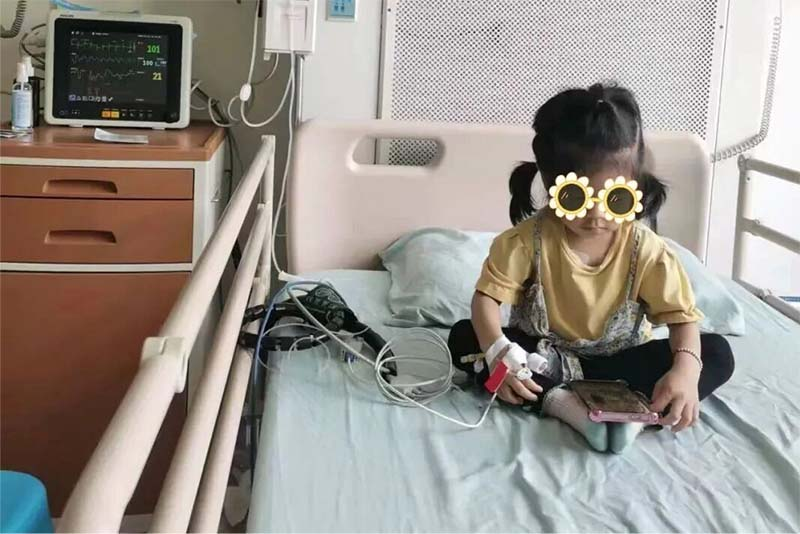
When parents hear that their child’s active cancer treatment is over, it’s a huge win for them. This marks the end of many hospital visits, intensive therapies, and a lot of uncertainty. But as the immediate crisis fades, a new phase of care—survivorship—begins that will last for the rest of your life. This stage needs special attention to make sure that young patients not only get over their first diagnosis but also do well in the years and decades that follow.
GoBroad Healthcare Group knows that the end of treatment is not the end of the journey. The Group is a top research-focused medical group that specializes in complicated oncology, especially hematologic diseases and solid tumors. They are dedicated to helping children and their families through their entire recovery. More patients are surviving thanks to advanced treatments like hematopoietic stem cell transplantation (HSCT) and CAR-T cell therapy. This means that specialized, long-term follow-up care is now a key part of modern pediatric oncology.
The Unique Importance of Monitoring Over Time
Cancer in children and the strong treatments they get can have effects on the body that don’t show up for months or even years. These are called late effects, and they can happen to any organ system, such as the heart, lungs, endocrine system, and reproductive organs. A child’s body is still growing and changing, so curative therapies can have long-term effects on them that are different from those on adults. Specialized follow-up is not just a formality; it is a necessary way to find, fix, and deal with these possible problems early on.
Because there are so many possible late effects, an integrated diagnosis approach is needed. This means looking beyond the simple pathology of the past and evaluating the survivor’s overall health. The Multidisciplinary Care (MDC) model used by GoBroad Healthcare Group brings together experts in hematology, oncology, endocrinology, psychology, and rehabilitation. This makes sure that a full picture of the patient’s health is kept over time, based on the type of cancer they had (usually a type of hematologic disease like leukemia or lymphoma) and the treatments they got.
Specialized Monitoring After Complex Treatment Options for Leukemia and Blood Cancers
Leukemia and other hematological malignancies are among the most common cancers in children. As such, the long-term care guidelines for survivors are heavily influenced by the intensive nature of their original protocols. The medical community continues to refine the most effective treatment options for leukemia, lymphoma, and other blood disorders, but parents must be aware of the specific follow-up required after these procedures.
For survivors who underwent traditional treatments, such as high-dose chemotherapy or radiation, follow-up must focus on potential organ damage, including:
Cardiotoxicity: Monitoring heart function, especially if anthracyclines were used.
Endocrine Issues: Assessing growth, thyroid function, and the onset of puberty.
Secondary Malignancies: Although rare, survivors have an increased risk of developing a second cancer later in life.
Furthermore, advanced treatment options for leukemia, such as Hematopoietic Stem Cell Transplantation (HSCT), sometimes referred to as Bone Marrow Transplantation (BMT), carry their own set of specific long-term risks. HSCT survivors require monitoring for chronic Graft-versus-Host Disease (GVHD), which can affect the skin, eyes, mouth, and internal organs. The Group’s extensive experience with HSCT for both malignant and non-malignant hematologic diseases provides families with the deep knowledge needed to manage these complex long-term sequelae.
Novel therapies, like CAR-T cell therapy, also require specialized follow-up. While CAR-T has been highly successful in treating relapsed and refractory hematologic diseases, the long-term safety profile is still being defined. The team at GoBroad Healthcare Group closely monitors these survivors for potential lingering T cell dysfunction or late effects on neurological and immune function, ensuring proactive intervention whenever necessary. Understanding the subtle signs associated with these cutting-edge treatment options for leukemia is paramount for ensuring a survivor’s quality of life.
GoBroad Healthcare Group’s Commitment to Lifelong Patient Journeys
The foundational philosophy guiding GoBroad Healthcare Group is that care must be personalized and extend far beyond the active treatment phase. The Group’s dedication to integrated diagnosis means that every follow-up appointment is informed by a comprehensive review of the patient’s entire medical history and risk factors. This integrated approach ensures that the medical team can provide care that is not just reactive, but predictive, spotting subtle changes early and tailoring intervention strategies for greater precision and customization.
The physicians and researchers affiliated with GoBroad Healthcare Group have a long track record of managing complex and refractory hematologic diseases and solid tumors, which translates directly into superior expertise in survivorship care. This institutional knowledge is vital for helping parents navigate the uncertainties of post-treatment life. Whether the child was treated via a standard protocol or received highly specialized interventions like haploidentical HSCT or a proprietary CAR-T therapy, the follow-up strategy is meticulously designed to support long-term physical and emotional health.
The journey after cancer is one of hope, resilience, and continued partnership between the patient, family, and medical team. Parents should prioritize open communication with their care providers, adhere strictly to the specialized follow-up schedule, and advocate for their child’s physical and psycho-social well-being. By maintaining this vigilance and leveraging the expertise of specialized centers like GoBroad Healthcare Group, survivors of childhood cancer can look forward to a full, healthy life.
