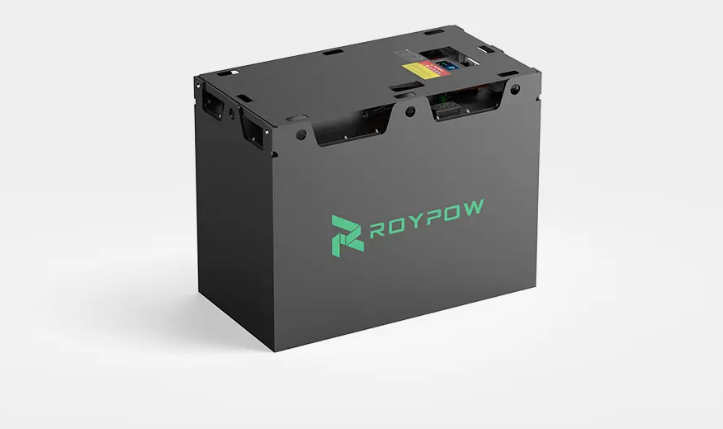
For many warehouses, factories, and logistics businesses, battery choice has a direct impact on daily productivity. Forklifts may look like standalone machines, but their true performance depends heavily on the power system behind them. That is why the comparison between lead-acid and lithium forklift batteries has become increasingly important. What once seemed like a simple replacement decision is now a broader question of efficiency, labor cost, maintenance burden, and long-term return.
Although lead-acid batteries are still used in many operations, their limitations are becoming harder to ignore. Frequent watering, longer charging cycles, and performance drops during discharge can all reduce equipment availability. As more businesses look for ways to improve uptime and lower operational friction, lithium batteries are becoming a more practical alternative.
Why Lead-Acid Batteries Create More Hidden Costs
Lead-acid batteries have been used in material handling for decades, but their lower upfront cost does not always mean lower total cost. In real operating environments, these batteries often demand more time and attention than expected. Common challenges include:
- regular watering and maintenance
- equalization charging requirements
- longer charging and cooling periods
- declining performance as the battery discharges
- more downtime during multi-shift operations
These factors may not seem dramatic on their own, but together they can affect labor planning, equipment scheduling, and overall warehouse efficiency. When forklifts are unavailable because batteries need extended charging or maintenance, productivity can suffer.
Why Lithium Batteries Are Gaining Attention
Lithium battery systems are increasingly favored because they solve many of the day-to-day issues associated with lead-acid technology. Rather than requiring frequent manual care, they are designed to support a cleaner and more streamlined operating model.
Their advantages often include:
- Faster charging
Shorter charging times help reduce waiting periods and improve equipment availability. - Minimal maintenance
No watering or routine equalization is typically needed. - Stable power output
Performance remains more consistent throughout the discharge cycle. - Higher efficiency
Energy is used more effectively, which can support better overall operation.
For businesses running busy warehouse schedules or multiple shifts, these benefits can translate into more usable working time and less interruption across the day.
A More Consistent Power Source for Forklift Operations
One of the biggest differences between lead-acid and lithium lies in how the battery delivers power. Lead-acid batteries often experience voltage drop as charge decreases, which can affect forklift performance during demanding tasks. Lithium batteries, by contrast, are generally better at maintaining stable output across the operating cycle.
This matters in environments where forklifts are expected to move heavy loads, operate continuously, or perform under tight schedules. A 36 volt battery for forklift applications, when built on lithium technology, can help provide the consistency needed for more reliable day-to-day use.
For operators, that means fewer concerns about sluggish performance late in the shift. For managers, it means a more dependable workflow.
Charging Efficiency and Reduced Backup Requirements
Charging speed is another area where lithium batteries often offer a clear operational advantage. Because they can recharge more quickly, businesses may be able to reduce the need for spare batteries or battery-swapping systems. That can simplify infrastructure planning and lower the indirect costs associated with battery management.
In practical terms, lithium systems can support:
- quicker turnaround between shifts
- less space needed for battery storage
- fewer disruptions caused by battery changes
- more flexible charging opportunities during breaks
This is particularly valuable in large warehouses, distribution centers, and other facilities where time lost to charging delays can affect the entire operation.
Safety, Compatibility, and Application Flexibility
Battery performance alone is not enough. For commercial users, safety, certification, and compatibility also matter. A well-designed lithium battery solution should align with recognized standards and support a range of operating needs, from lighter-duty warehouse handling to more demanding industrial work.
The broader appeal of lithium batteries also comes from their flexibility. With multiple voltage options available across the market, businesses can match battery specifications more closely to the actual needs of their equipment. That helps ensure the upgrade is practical, not just technologically advanced.
A Smarter Upgrade for Modern Material Handling
For businesses comparing lead-acid and lithium forklift batteries, the real question is no longer just purchase price. It is about how the battery affects uptime, labor efficiency, maintenance routines, and long-term operating cost. Lead-acid may still serve some applications, but lithium is increasingly the stronger choice for operations that value speed, consistency, and lower maintenance demands.
As warehouses and industrial facilities continue to prioritize efficiency, switching to lithium becomes less of a trend and more of a strategic upgrade. Better charging performance, more stable output, and reduced service needs all contribute to a more productive operation. For companies looking to improve forklift performance while simplifying battery management, lithium technology offers a clearer path forward.
