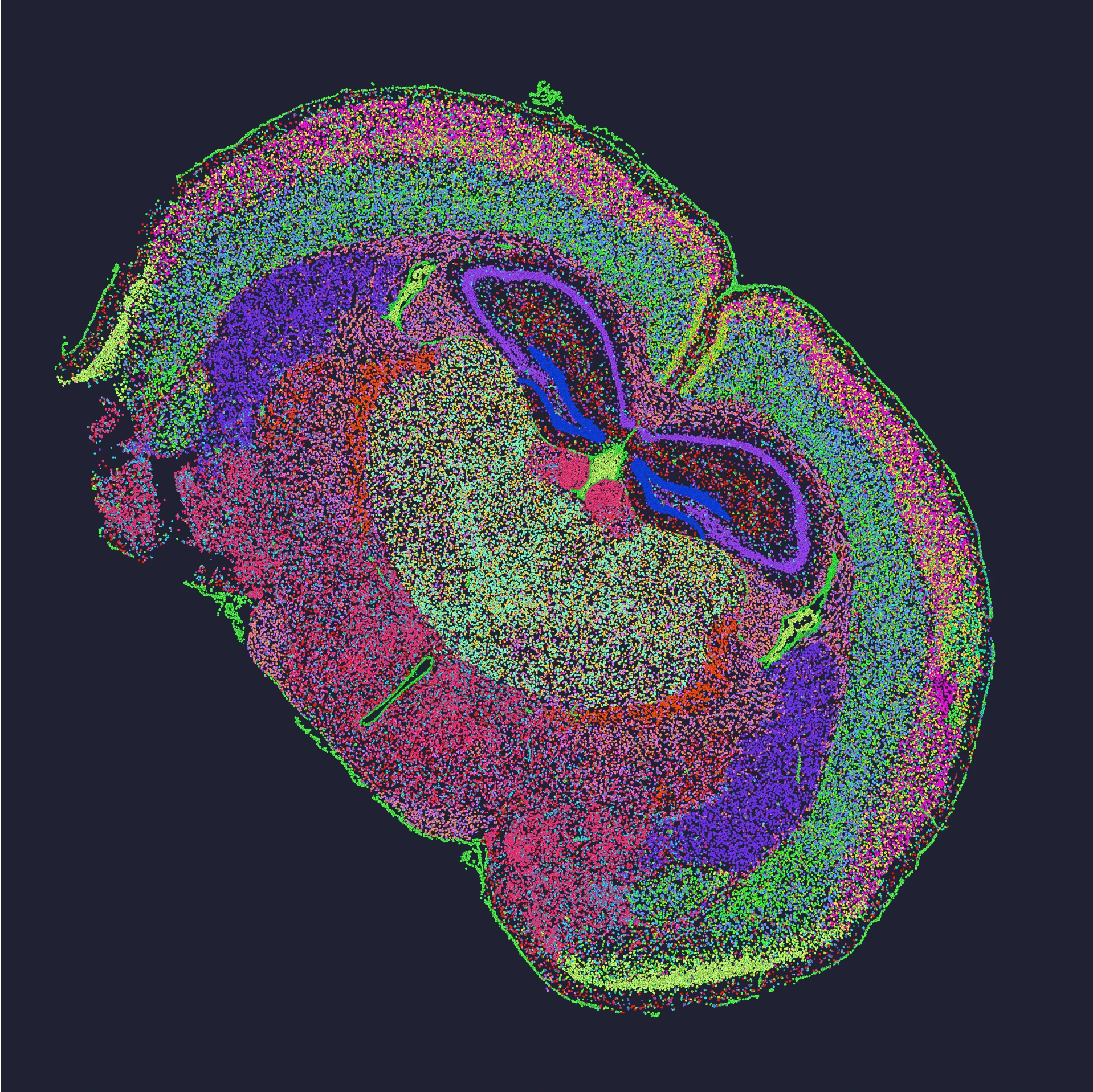
Incorporating spatial context into molecular data adds a necessary layer of biological insight for clinical research. Spatial transcriptomics analysis moves beyond traditional methods by preserving the anatomical framework of tissue samples. This approach allows researchers to observe where specific genetic activity occurs, which is critical for understanding disease mechanisms. Platforms like STOmics provide the specialized tools required for this precise work, enabling detailed spatial omics transcriptomics studies.
Defining Precise Biomarkers with Spatial Context
The identification of biomarkers is a core objective in clinical trials. Traditional omics can list molecular targets, but spatial transcriptomics analysis maps their exact location within a tissue architecture. This reveals whether a gene expression signature is confined to a tumor margin, the tumor core, or specific immune cell infiltrates. Such locational data from spatial omics transcriptomics platforms can help define more accurate patient selection criteria and mechanistic biomarkers of drug response.
Enhancing Patient Stratification and Cohort Design
Understanding tissue heterogeneity is key to designing robust clinical trials. A spatial transcriptomics analysis can profile the variability of the tumor microenvironment across patient samples. Researchers can use this detailed spatial profiling to stratify patients into more homogeneous cohorts based on the cellular composition and interaction networks within their biopsy samples. This method of spatial omics transcriptomics aims to reduce noise in trial data and improve the statistical significance of therapeutic outcomes.
Validating Therapeutic Mechanisms of Action
Confirming that a drug engages its intended target in the correct tissue compartment is vital. Spatial transcriptomics analysis serves as a powerful tool for pharmacodynamic assessment. By comparing pre- and post-treatment tissue sections, researchers can visualize changes in gene expression patterns directly at the site of action. This application of spatial omics transcriptomics provides direct visual evidence of a drug’s biological effect, supporting conclusions about its mechanism.
The integration of spatially resolved data brings a transformative perspective to clinical development. It allows for biomarker discovery rooted in tissue architecture, enables refined patient cohort design, and provides visual validation of drug activity. For research teams aiming to employ these methods, the end-to-end solutions from STOmics, including its Stereo-seq technology and bioinformatics tools, offer a structured path to implement spatial transcriptomics analysis and advance spatial omics transcriptomics in clinical settings.
