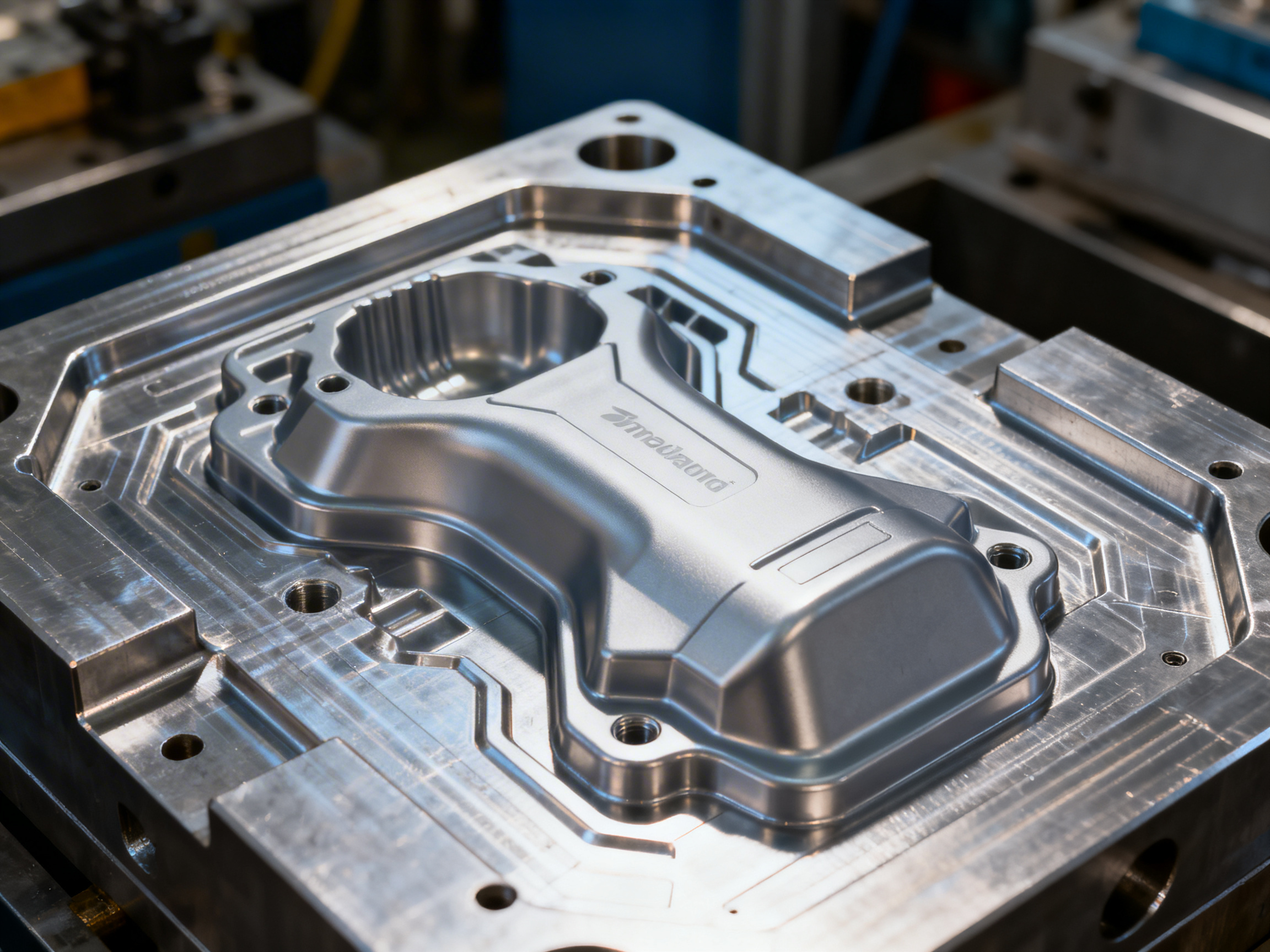
For North American manufacturers in the medical, automotive, and consumer electronics sectors, balancing initial tooling costs with long-term part quality is a critical financial lever. By leveraging plastic injection molding China strategies, companies can reduce capital expenditure (CapEx) significantly without compromising on the rigorous standards required for domestic production. The hybrid manufacturing model—building high-precision molds in China for export to US-based facilities—offers a proven path to enhanced profitability. This approach allows engineers to access advanced capabilities, such as unscrewing plastic injection molding China services, ensuring complex geometries are handled with expertise while supply chains remain agile.
Optimizing ROI Through Advanced Plastic Injection Molding China Strategies
Importing tooling enables manufacturers to capitalize on the cost arbitrage of China custom plastic injection molding while retaining local control over final part production. This strategy bridges the gap between budget constraints and high-performance engineering requirements.
Maximizing Cost Efficiency via Hybrid Manufacturing
The primary driver for sourcing tooling offshore is the substantial reduction in upfront investment. Industry data indicates that benchmarking against Western tooling providers often yields a 40–60% reduction in CapEx. For a mid-volume production run of 10,000 to 100,000 units, this initial saving directly translates to a 20–35% increase in projected ROI over the product’s lifecycle.
Rather than viewing these savings as mere profit taking, forward-thinking procurement heads reallocate these funds into domestic quality control and material upgrades. For instance, savings from the mold build can finance superior hot runner systems or extended warranty terms. Furthermore, when amortizing logistics costs (typically 3–5 weeks for sea freight), the extended lifecycle of high-quality Chinese steel molds—often rated for over 1 million cycles (SPI Class 101/102)—ensures that the cost-per-part continues to drop long after the tool has arrived at the domestic facility.
Engineering Complex Geometries and Global Standards
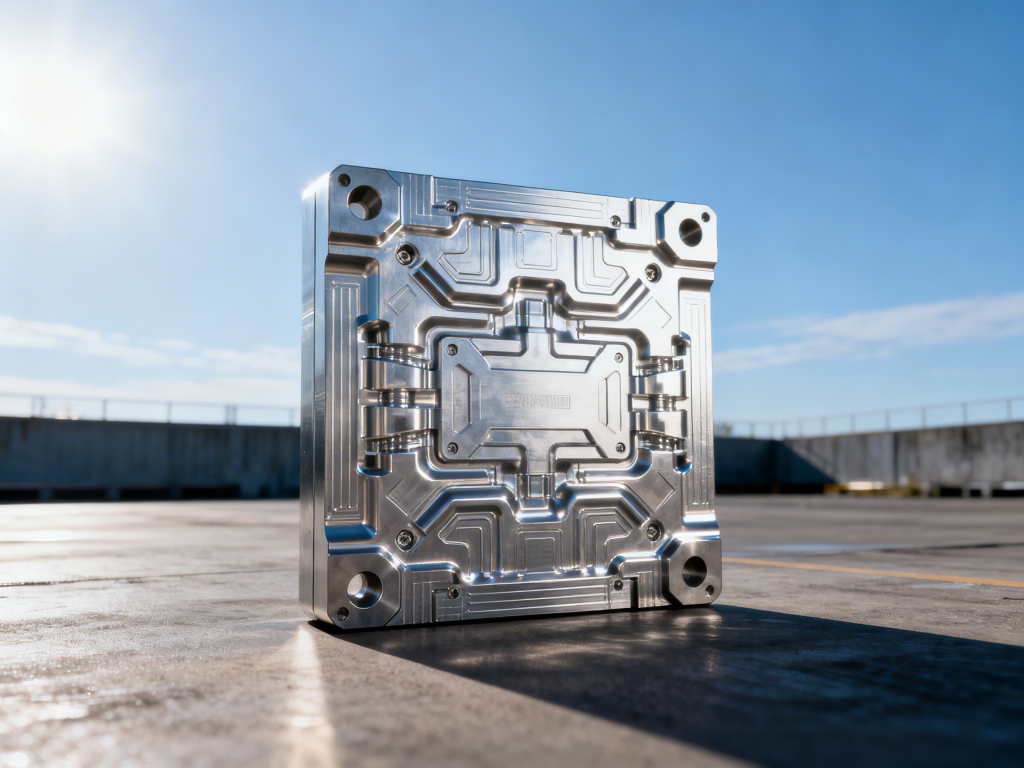
Success in cross-border tooling relies heavily on strict adherence to international compatibility standards. Whether utilizing precision plastic injection molding China capabilities for medical devices or automotive components, enforcing component standardization is non-negotiable. Molds must be designed with DME (USA) or HASCO (Europe) standard components to guarantee plug-and-play integration with domestic injection machines.
This compatibility extends to complex engineering feats. For parts requiring internal threads, unscrewing plastic injection molding China services provide advanced automatic unscrewing mechanisms that eliminate the need for manual post-processing. Validating material authenticity is equally crucial; audits should verify original steel certificates and heat treatment reports to ensure durability. By mandating adherence to SPI Class 102/103 standards, manufacturers ensure that imported tools maintain tight tolerances and aesthetic consistency, such as VDI textures or high-gloss finishes, throughout their operational life in the US.
Premium Export Mold Services at Livepoint Tooling
Livepoint Tooling specializes in delivering high-precision, export-grade tooling solutions that seamlessly integrate into global supply chains. With over 23 years of expertise, the company bridges the gap between cost-effective Chinese manufacturing and Western quality expectations.
Precision Manufacturing and Certified Quality
As a leader in plastic injection molding service China, Livepoint Tooling operates under strict ISO 9001:2015 and IATF 16949:2016 certifications, ensuring that every tool meets the rigorous demands of the automotive and medical industries. Their facility houses advanced 100–800 ton injection machines and utilizes fully integrated CNC and EDM processes to achieve ultra-high precision tolerances of ±0.005mm.
This commitment to quality is backed by a portfolio of over 50 patents, demonstrating deep technical expertise in solving complex molding challenges. Whether the project involves intricate unscrewing plastic injection molding China applications for threaded parts or high-aesthetic enclosures requiring mirror finishes, Livepoint Tooling leverages its “World’s First UHV Hybrid Insulator” technology experience to deliver reliability. Their vertical integration allows for T1 samples in as fast as 2 weeks, significantly accelerating the validation phase for international clients.
Comprehensive Validation and Lifecycle Support
Livepoint Tooling ensures that every export mold undergoes rigorous T1 to T2 trial phase verification before shipment. This process includes analyzing detailed setup sheets and providing full-dimensional ISIR (Initial Sample Inspection Report) data to guarantee that the tool performs flawlessly upon arrival.
To mitigate risks associated with offshore procurement, Livepoint Tooling structures a transparent 4–7 week manufacturing cycle followed by coordinated logistics support. They prepare comprehensive spare parts kits for wearable components and translate all maintenance guides for local technicians, ensuring long-term operational continuity. By offering a one-stop solution—from DFM analysis to final tool export—Livepoint Tooling empowers manufacturers to secure high-quality tools that drive domestic production efficiency.
